


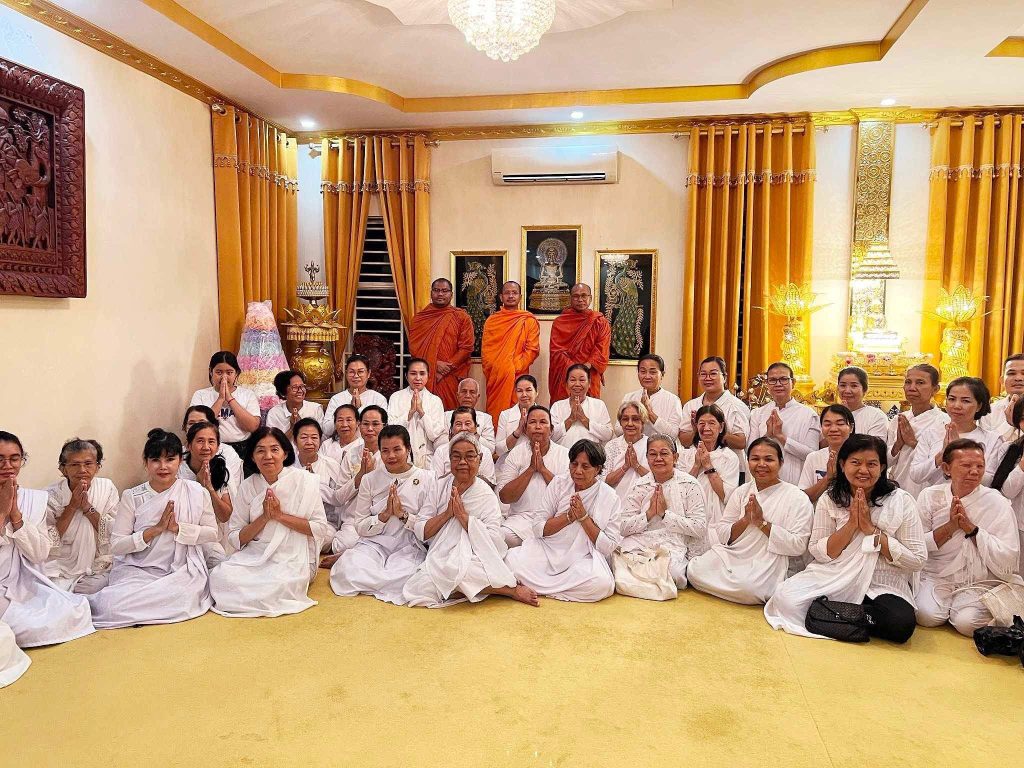
Cambodia is a country where Buddhism has deeply influenced religious practice, culture, community life, traditions, and everyday values. Throughout the year, Cambodian people gather at pagodas and community spaces to observe Buddhist ceremonies, make offerings, listen to teachings, remember loved ones, and share meaningful moments with family and community members.
Buddhist festivals in Cambodia are therefore more than religious occasions. They are also opportunities for people to strengthen relationships, practice generosity, preserve cultural traditions, and pass important values from one generation to another.
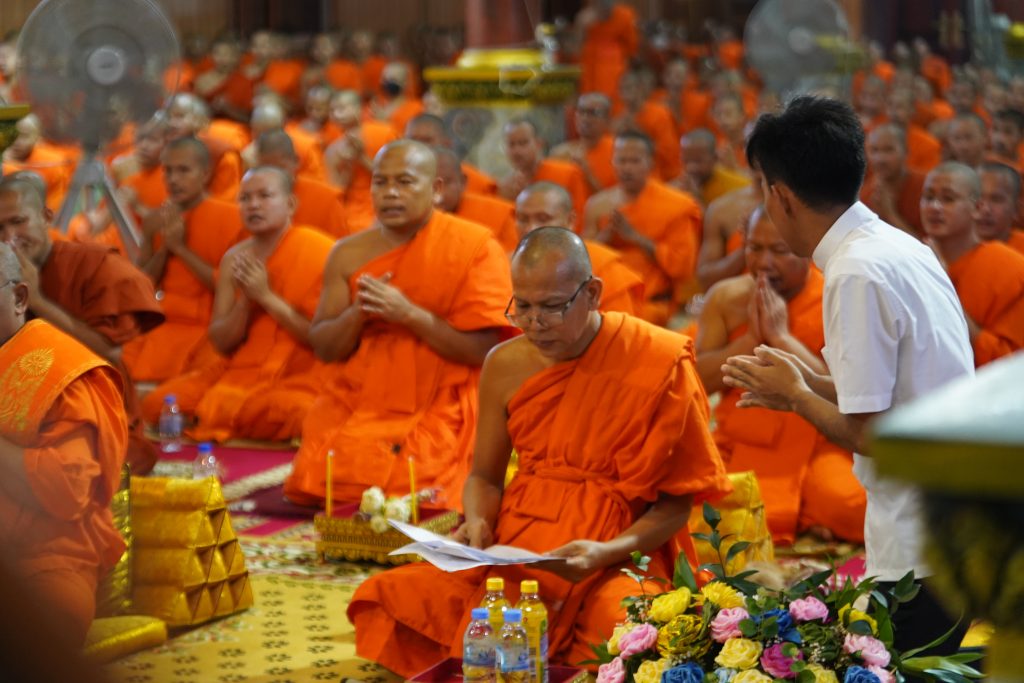
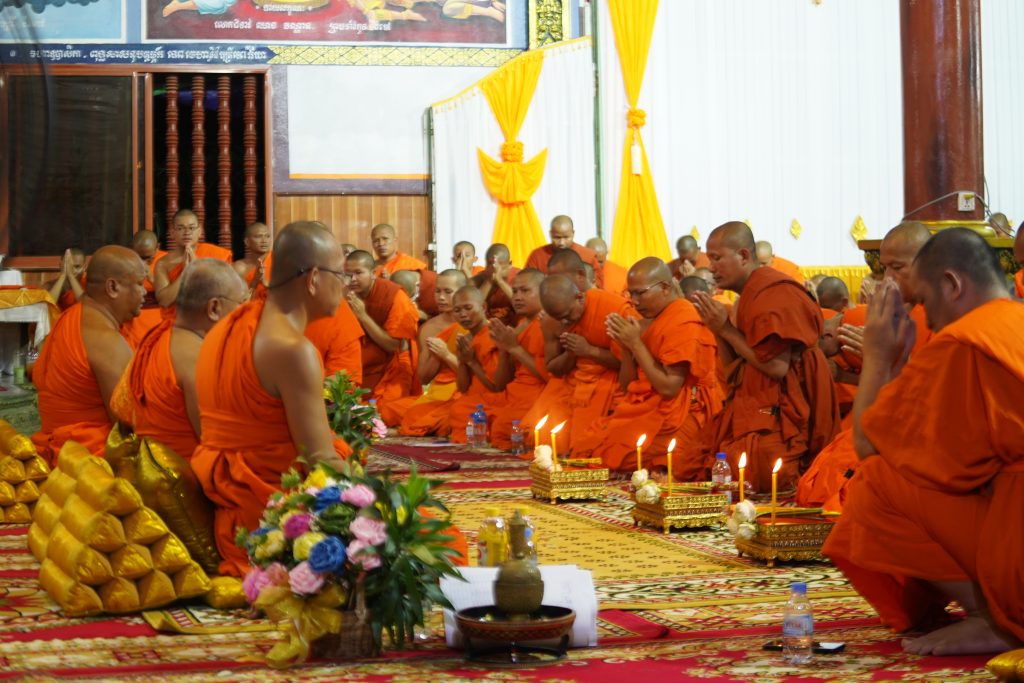
For many Cambodians, visiting a pagoda during an important Buddhist occasion is a familiar part of life. People may come to offer food to monks, make merit, listen to Dhamma teachings, meditate, pray or chant, dedicate merit to deceased relatives, and participate in traditional activities.
This article explores major Buddhist festivals and cultural celebrations in Cambodia, their significance, and the role they continue to play in Cambodian society.
On This Page
- Buddhism and everyday life in Cambodia
- Major Buddhist and cultural festivals
- Why these celebrations matter
- Preserving Cambodian Buddhist traditions
- Reflection: what can we learn?
Continue learning: Explore Buddhism, Life & Mindfulness, Culture, and Life & Hope for more practical reflections and learning resources.
Overview of Buddhism in Cambodia
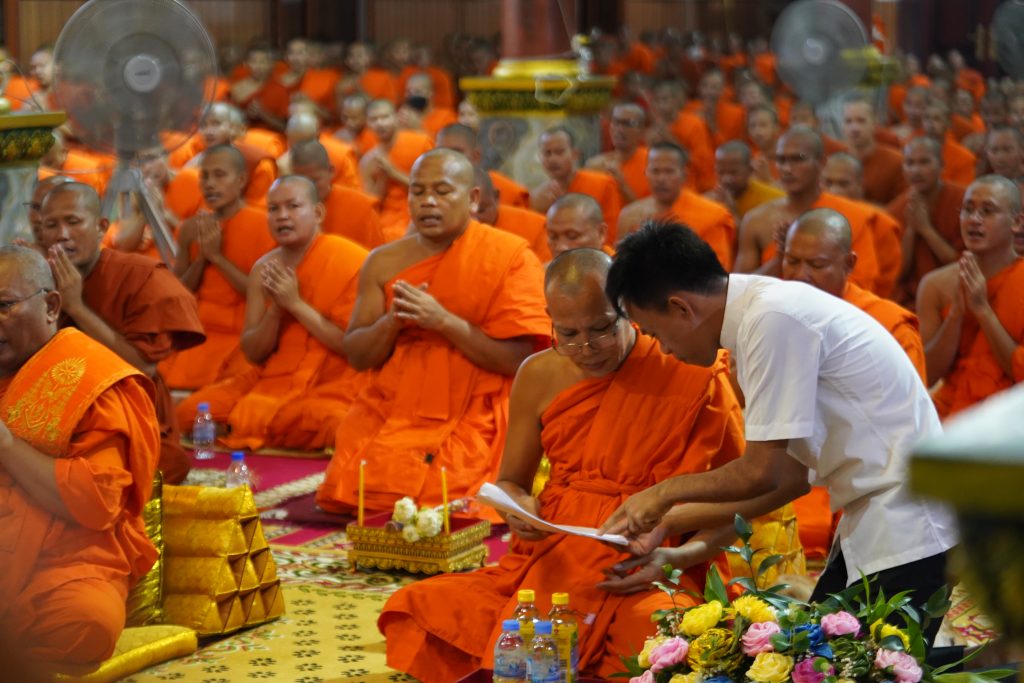
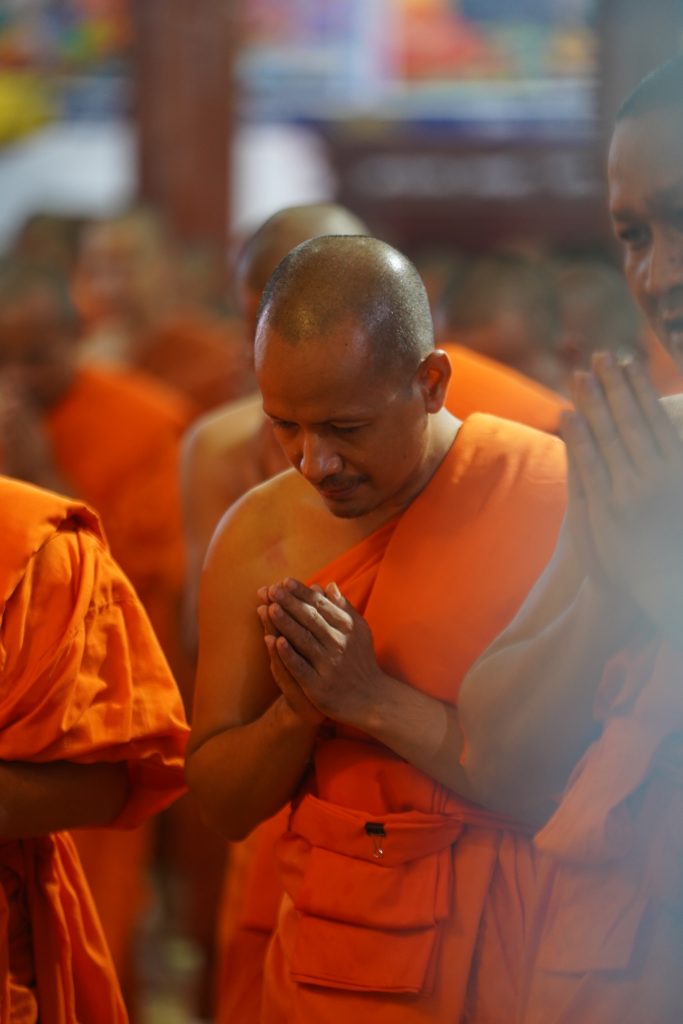
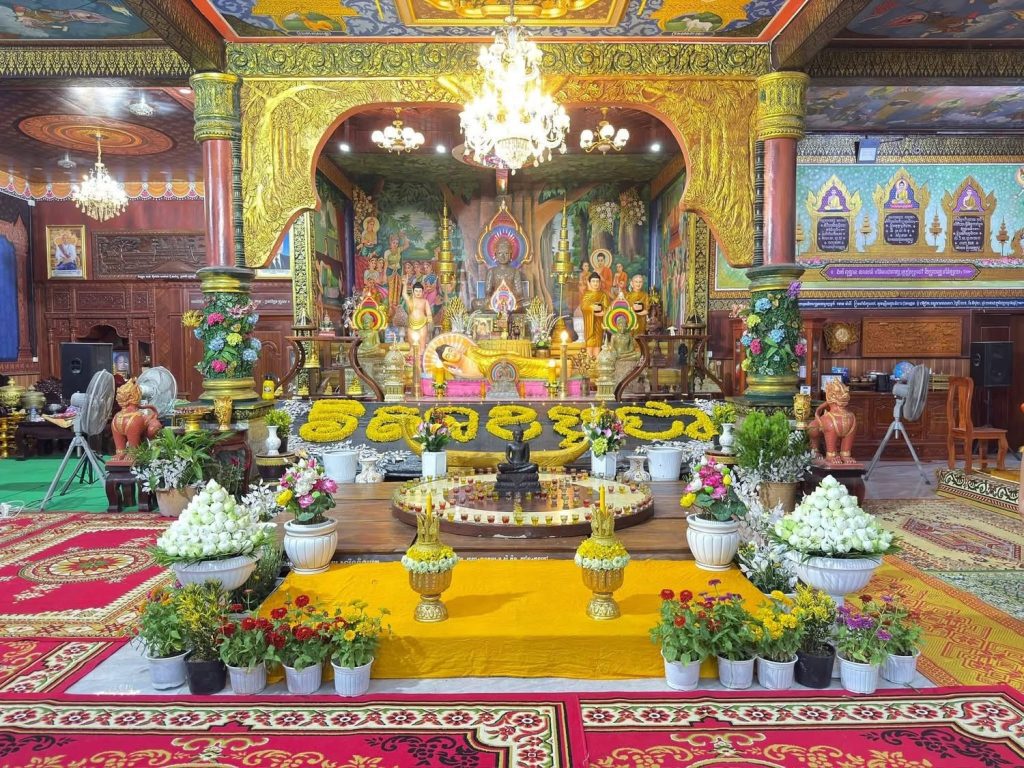
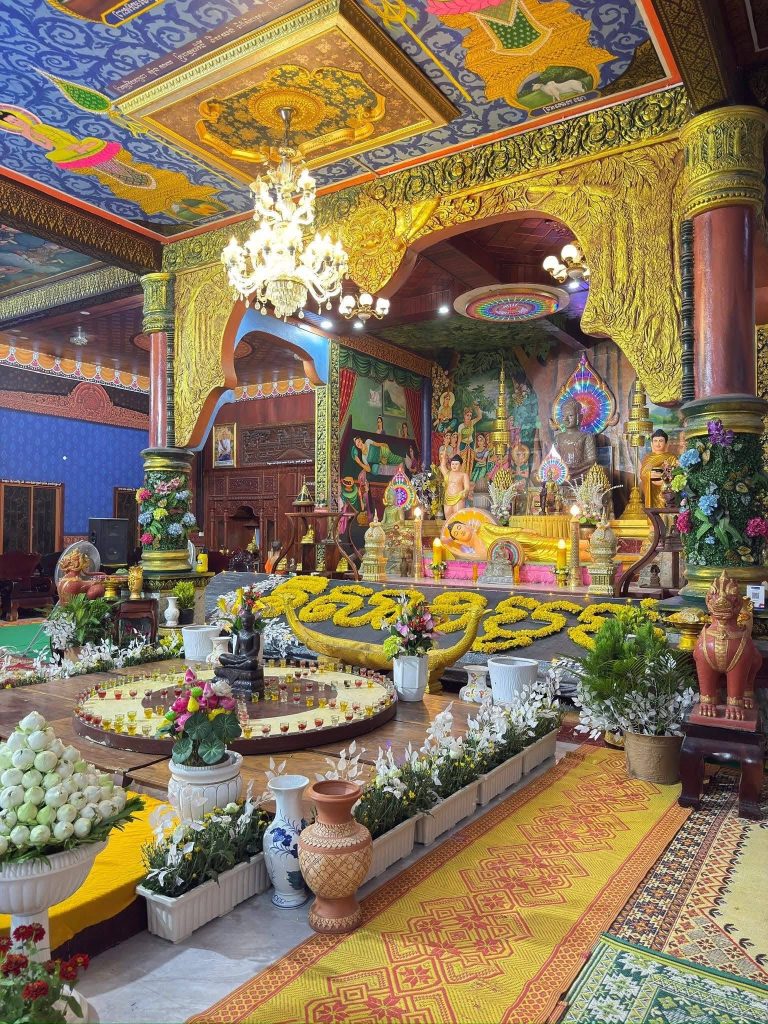
Theravada Buddhism has played an important role in Cambodian society for centuries. Pagodas have traditionally served not only as places of religious practice but also as important community spaces where people gather, learn, celebrate, remember their ancestors, and support one another.
Buddhism has influenced many aspects of Cambodian cultural life, including traditional ceremonies, moral education, family relationships, architecture, literature, art, music, and community traditions.
Buddhism and Everyday Life
For many Cambodian families, Buddhist practice is connected with everyday values such as:
- generosity
- compassion
- respect
- gratitude
- patience
- mindfulness
- non-harming
- responsibility
- helping others
These values can be expressed through simple actions. A person may offer food to monks, help someone in need, respect elders, support a community activity, or take time to listen to Buddhist teachings.
In this way, Buddhism is not experienced only through formal ceremonies. Its teachings can also become part of how people treat one another.
The Role of the Pagoda
The Cambodian pagoda, or wat, has an important place in community life.
People may visit the pagoda to:
- make offerings
- listen to Dhamma teachings
- meditate
- participate in ceremonies
- celebrate Buddhist festivals
- remember deceased family members
- meet relatives and community members
- support monks and the monastic community
The pagoda can therefore become a place where religion, culture, education, family, and community life come together.
Major Buddhist Festivals in Cambodia
Cambodia has many important religious and cultural celebrations throughout the year. Some are directly connected with Buddhist traditions, while others are broader Khmer cultural celebrations that include Buddhist practices. These celebrations bring families, communities, monks, and younger generations together.
The exact dates of many Cambodian festivals change from year to year because they follow the traditional Khmer lunar calendar. Therefore, the dates below are approximate in the Gregorian calendar and may vary each year.
1. Pchum Ben — Remembering Our Ancestors
When is it celebrated?
Pchum Ben is traditionally observed during a 15-day period, usually around September or October. The final day, known as Pchum Ben Day, is the most important day of the period.
Pchum Ben is one of the most important religious and cultural traditions in Cambodia. It is a time when Cambodian people remember deceased parents, grandparents, relatives, and ancestors.
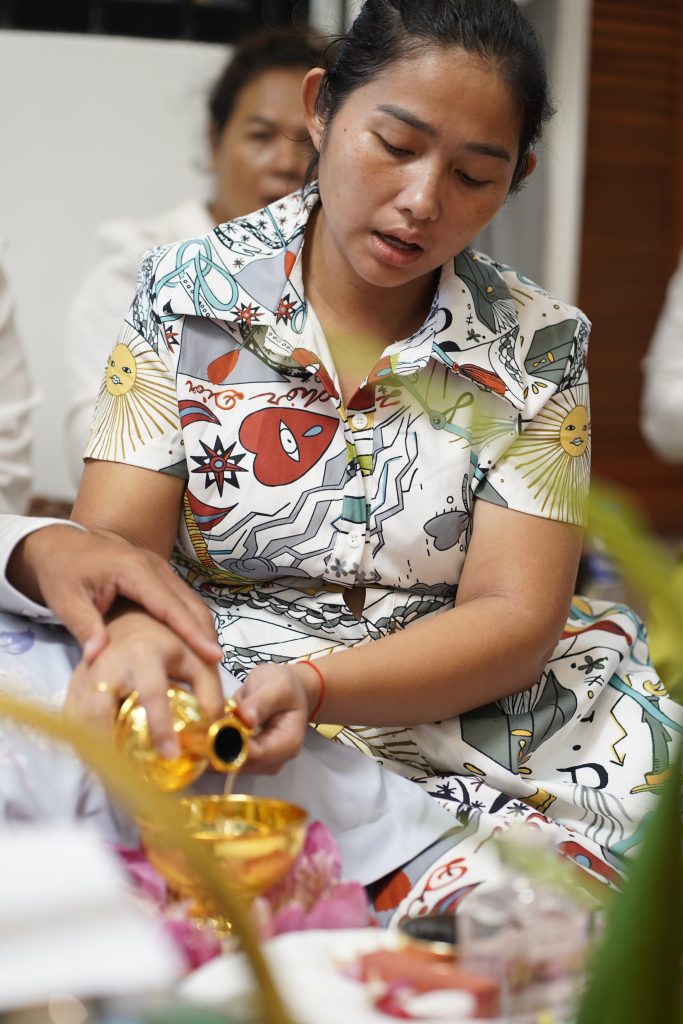
During this period, families often return to their hometowns and visit pagodas. They prepare food and make offerings to monks while dedicating the merit of their good deeds to deceased relatives.
A Traditional Story Behind Pchum Ben
According to Buddhist tradition, there is a story about King Bimbisara, an important supporter of the Buddha. Some of his relatives from previous lives were believed to have been reborn in an unfortunate state and were suffering from hunger. They hoped that the king would make offerings and dedicate the merit to them.
After learning about their situation, the king made offerings to the Buddha and the monastic community and dedicated the merit to his deceased relatives.
This traditional story helps explain why making offerings and dedicating merit became an important part of remembering deceased family members.
What Do People Do During Pchum Ben?
During the 15-day period, families may:
- Visit different pagodas in their local communities.
- Bring rice and other food as offerings.
- Offer food and necessities to monks.
- Pray and listen to Dhamma teachings.
- Remember parents, grandparents, and other deceased relatives.
- Make donations and perform other good deeds.
- Spend time with family members who return home for the occasion.
Pchum Ben is also an important time for Cambodian families to reconnect.
Many people who live or work far from their hometowns return home during this period. Grandparents, parents, children, and relatives may gather together at the pagoda and at home.
What Can Young People Learn?
For young people, Pchum Ben can be more than a traditional ceremony. It can teach:
Gratitude — remembering those who cared for us.
Respect — honoring parents and elders.
Generosity — sharing food and resources with others.
Family responsibility — staying connected with our family.
Reflection — remembering that life is temporary.
The lesson of Pchum Ben:
We may not be able to bring our loved ones back, but we can continue to remember them through love, gratitude, and good actions.
2. Visakha Bucha — Remembering the Life and Teachings of the Buddha
When is it celebrated?
Visakha Bucha, also called Vesak, is usually observed around May, although the exact date changes according to the lunar calendar.
It is one of the most important Buddhist observances. In the Theravada Buddhist tradition, it is associated with three major events in the Buddha’s life:
- His birth
- His enlightenment
- His passing away, or Parinibbāna
The Story of Siddhartha Gautama
According to Buddhist tradition, Siddhartha Gautama was born into a privileged life. He grew up surrounded by comfort and protection.
However, as he became older, he encountered realities that no wealth could prevent: old age, sickness, and death.
These experiences led him to ask a profound question:
Why do human beings suffer, and is there a way to overcome suffering?
He eventually left his privileged life and began searching for an answer.
After years of spiritual practice, he attained enlightenment and became the Buddha—the Awakened One.
Rather than keeping his understanding to himself, he spent the remainder of his life teaching others about suffering, its causes, and the path toward liberation.
How Is Visakha Bucha Observed?
On or around Visakha Bucha, Buddhists may:
- Visit temples and pagodas.
- Make offerings to monks.
- Listen to Dhamma teachings.
- Practice meditation.
- Observe Buddhist precepts.
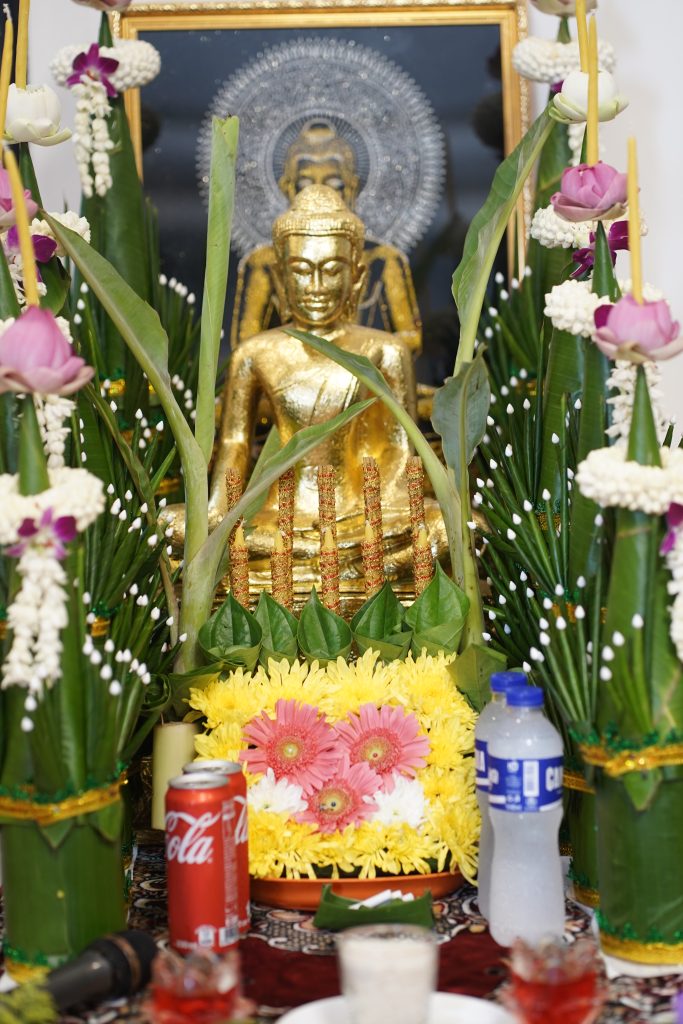
- Light candles and incense.
- Participate in traditional ceremonies.
- Spend time reflecting on the Buddha’s teachings.
- Practice generosity and acts of kindness.
Some people may spend more time at the pagoda, particularly in the evening, participating in religious activities and meditation.
Why Is It Important?
Visakha Bucha provides an opportunity to remember that Buddhism is not only about ceremonies.
It is also about understanding life.
The Buddha encouraged people to examine their own experience, understand suffering, develop wisdom, and cultivate compassion.
For students, this can become a valuable lesson:
Education is not only about learning information from books. It is also about learning how to understand ourselves, make wise decisions, manage difficulties, and treat other people well.
The lesson of Visakha Bucha:
True learning begins when we sincerely ask questions about ourselves and the way we live.
3. Kathina — The Celebration of Generosity and Community
When is it celebrated?
Kathina takes place after the monks complete the annual rains retreat, traditionally known as Vassa. In Cambodia, the Kathina season generally falls around October or November, depending on the lunar calendar.
Unlike a single national festival day, Kathina is a season during which different communities may organize their own ceremonies.
A Story Behind Kathina
According to Buddhist tradition, a group of monks traveled a long distance to visit the Buddha. Because of the rainy season, their journey was difficult, and they arrived with their robes worn and damaged.
The Buddha recognized the difficulties they had experienced and established a special period when lay followers could offer robes to monks after the rains retreat.
This tradition eventually became known as Kathina.
What Happens During Kathina?
Cambodian families and communities may come together to:
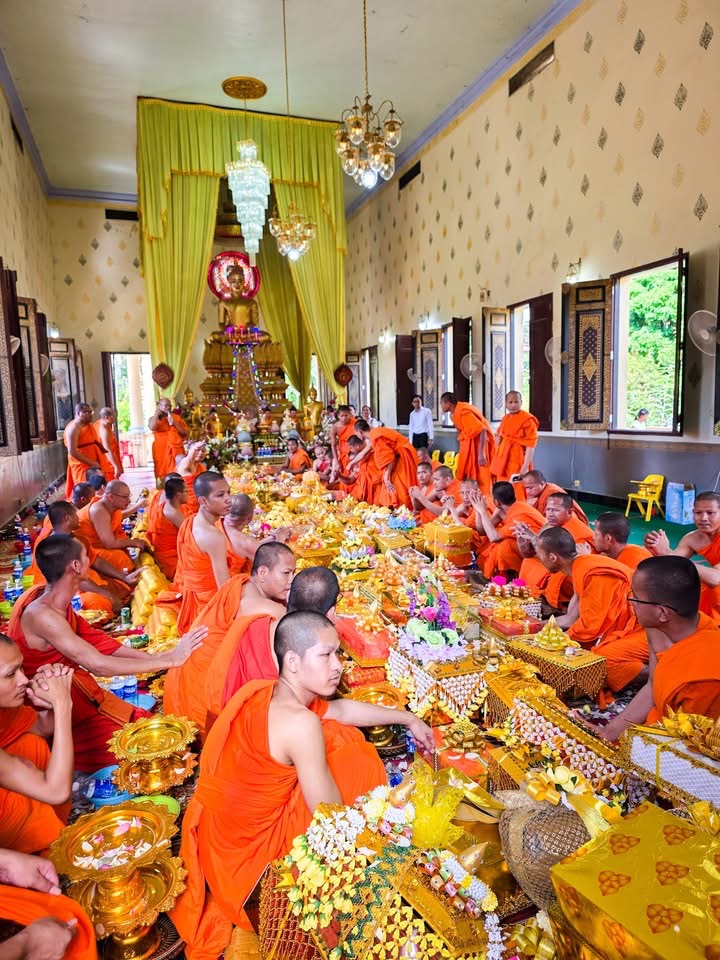
- Prepare robes for monks.
- Offer food and necessities.
- Make donations.
- Organize processions.
- Gather at the pagoda.
- Listen to Dhamma teachings.
- Participate in religious ceremonies.
- Share food with the community.
- Dedicate merit from their good actions.
One of the beautiful aspects of Kathina is that it often involves collective participation.
A family may contribute something small, another family may contribute food, someone may volunteer their time, and others may help organize the ceremony.
Together, these individual contributions become a community event.
The Meaning of Kathina
Kathina reminds us that generosity does not necessarily require great wealth.
A person can give:
- Money
- Food
- Clothing
- Time
- Knowledge
- Help
- Encouragement
- Kindness
For students, this is an important character lesson.
A good student is not only someone who receives knowledge. A good student also learns how to share, cooperate, help others, and contribute to the community.
The lesson of Kathina:
Generosity is not measured only by what we give, but also by the kindness and intention behind our giving.
4. Khmer New Year — A Time for Renewal and Family
When is it celebrated?
Khmer New Year, or Chaul Chnam Thmey, is usually celebrated around April 13–16 each year, although the exact traditional observance can vary.
It is one of Cambodia’s most important traditional celebrations and usually lasts several days.
Although Khmer New Year is primarily a cultural celebration rather than specifically a Buddhist festival, Buddhist practices are an important part of the celebration for many Cambodian families.
A Story of a New Beginning
Imagine a Cambodian family preparing for the New Year.
The house is cleaned. Food is prepared. Family members who live far away begin returning home. Children visit their parents and grandparents.
At the pagoda, people gather together.
Some make offerings. Some listen to Dhamma teachings. Others participate in traditional activities.
But behind all these activities is a simple idea:
A new year gives us a chance to begin again.
The old year has passed. Difficult experiences can become lessons. Mistakes can become opportunities for improvement. Relationships can be repaired.
The New Year therefore becomes more than a celebration of time. It can become a time for renewal.
What Do Cambodian Families Do?
During Khmer New Year, people may:
- Visit their hometowns.
- Visit pagodas.
- Make offerings.
- Receive blessings.
- Show respect to parents and elders.
- Clean their homes.
- Spend time with family.
- Participate in traditional games.
- Enjoy traditional music and dancing.
- Take part in community celebrations.
- Practice acts of generosity.
Traditional activities may differ between communities and regions.
What Can Young People Learn?
Khmer New Year provides opportunities to teach younger generations about:
- Respect for parents and elders
- Family relationships
- Gratitude
- Khmer traditions
- Community participation
- Forgiveness
- Personal improvement
For students, we can ask:
What do I want to improve in myself this year?
Maybe a student wants to become more disciplined.
Another wants to respect their parents more.
Another wants to study harder.
Another wants to become kinder.
This turns a cultural celebration into an opportunity for character development.
The lesson of Khmer New Year:
Every new year gives us another opportunity to become a better person.
5. Water Festival — Bon Om Touk and Cambodia’s Relationship with Water
When is it celebrated?
The Water Festival, known as Bon Om Touk, usually takes place around November, with the exact dates changing according to the traditional lunar calendar.
It is one of Cambodia’s most famous cultural celebrations.
Importantly, the Water Festival is not primarily a Buddhist festival. It is a major Cambodian cultural celebration connected with water, rivers, agriculture, community life, and national heritage. Buddhist practices may also take place around the festival as families visit pagodas and participate in religious activities.
The Story of Cambodia and Its Rivers
For generations, water has been deeply connected with Cambodian life.
The Mekong River and Tonlé Sap are important parts of the country’s natural environment and have supported communities, agriculture, fishing, transportation, and food production.
The Water Festival traditionally coincides with an important seasonal change in Cambodia’s waterways, particularly the changing flow of the Tonlé Sap.
For Cambodian people, water is not simply something we see in a river.
Water is connected with life.
It supports farms.
It provides fish.
It connects communities.
It has shaped Cambodian history and traditional ways of living.
Bon Om Touk, commonly known as the Water Festival, is one of Cambodia’s most important traditional celebrations. It is a major cultural event that brings people together to celebrate Cambodia’s relationship with water, rivers, agriculture, and community life.
The festival is traditionally associated with the annual reversal of the flow of the Tonlé Sap River, an important natural phenomenon in Cambodia. It is also closely connected with the country’s agricultural and river-based way of life.
During the festival, people gather in Phnom Penh and other communities to watch traditional boat races, enjoy cultural performances, meet family and friends, and participate in celebrations along the rivers.
Traditional Boat Racing
One of the most recognizable features of Bon Om Touk is the traditional longboat racing.
Teams from different communities participate in races, often representing their villages, provinces, pagodas, or organizations.
The races require teamwork, discipline, coordination, strength, and determination.
The boats cannot succeed because of one person alone.
Everyone must paddle together.
This provides a simple lesson that is meaningful far beyond the race:
When people work together toward a common goal, they can achieve more than they could alone.
For young people, the boat races can therefore also be understood as an example of teamwork, cooperation, discipline, and community spirit.
Water and Cambodian Life
Water has always been extremely important to Cambodian life.
The country’s rivers, lakes, and waterways have supported agriculture, fishing, transportation, food, and communities.
The Water Festival therefore provides an opportunity to appreciate the relationship between people and nature.
It reminds us that natural resources are not something we should take for granted.
For younger generations, the festival can become an opportunity to learn about:
- Cambodia’s rivers and waterways
- Agriculture and rural life
- Fishing communities
- Environmental responsibility
- Cooperation
- Traditional Cambodian culture
- The importance of water in everyday life
Family and Community
Like many important Cambodian celebrations, Bon Om Touk brings people together.
Families and friends may travel to celebrate together, while communities organize activities and welcome visitors.
People share food, spend time together, watch the races, and enjoy cultural performances.
For many Cambodians, the festival is therefore not only about the boat races.
It is also about connection.
It creates opportunities for people to reconnect with family, friends, neighbors, and their wider community.
Cultural and Buddhist Connections
Although Bon Om Touk is primarily a Cambodian cultural celebration, religious activities may also be part of the festival period.
Some people may visit pagodas, make offerings, listen to Buddhist teachings, or engage in merit-making practices.
This reflects an important characteristic of Cambodian cultural life: religious practice and traditional celebrations can sometimes exist alongside one another.
However, it is important to understand that not every Cambodian cultural festival is itself a Buddhist festival.
Recognizing this distinction helps us appreciate both the Buddhist and broader cultural dimensions of Cambodian heritage.
What Can Young People Learn?
The Water Festival can provide lessons beyond celebration and entertainment.
Young people can learn about:
Teamwork — working together toward a shared goal.
Discipline — practicing consistently and fulfilling responsibilities.
Community — understanding that individuals are part of something larger.
Culture — appreciating traditional Cambodian activities.
Nature — recognizing the importance of rivers and water.
Responsibility — understanding the need to protect natural resources.
Pride in heritage — learning about traditions passed down through generations.
More Than a Festival
Bon Om Touk reminds us that festivals can be opportunities for learning.
When young people watch the boat races, they can learn about teamwork.
When they learn about the Tonlé Sap and Cambodia’s rivers, they can learn about nature.
When they spend time with their families, they can learn about relationships.
When they participate respectfully in cultural activities, they can learn about their heritage.
And when they visit a pagoda during the festival period, they may also have an opportunity to reflect on Buddhist values and practice generosity.
In this way, the Water Festival becomes more than a celebration.
It becomes another opportunity to learn about Cambodia, appreciate its culture, connect with others, and think about our responsibility toward the future.ork and community.
Cultural Significance of Buddhist Celebrations
Buddhist celebrations are significant not only because of their religious meaning but also because of their role in Cambodian cultural and community life.
Strengthening Family Relationships
Festivals often bring families together.
Family members may travel from different places to return to their hometowns, visit relatives, prepare offerings, and attend ceremonies together.
These occasions create opportunities for younger generations to spend time with parents, grandparents, and other relatives.
Practicing Generosity
Generosity is an important Buddhist value.
During Buddhist celebrations, people may offer:
- food
- robes
- medicine
- daily necessities
- financial support
- time
- volunteer work
Generosity teaches that meaningful giving is not simply about the amount of money someone possesses. It is also about the intention to help and share with others.
Showing Respect and Gratitude
Buddhist celebrations provide opportunities to express respect toward monks, teachers, parents, grandparents, elders, and other members of the community.
For young people especially, these experiences can become opportunities to learn appropriate behavior and understand the importance of gratitude.
Strengthening Community Connections
A festival at a pagoda is often a collective activity.
People work together to prepare food, clean the temple, organize ceremonies, welcome visitors, and support one another.
Through these activities, people develop a sense of belonging and shared responsibility.
Preserving Cultural Memory
Festivals also help communities remember traditions that have been passed down through generations.
Children can observe what their parents and grandparents do, learn the meaning behind ceremonies, and gradually understand their cultural heritage.
In this way, festivals become a form of informal cultural education.
Experiencing Buddhist Festivals in Cambodia
One of the most meaningful ways to understand Cambodian Buddhist culture is to experience it directly.
Reading about Buddhism can provide knowledge, but participating respectfully in a cultural or religious event can provide another level of understanding.
Visitors and younger generations can observe how people:
- prepare offerings
- enter the pagoda respectfully
- interact with monks
- listen to teachings
- participate in ceremonies
- practice generosity
- gather with family
- support their community
Learning Through Observation
Children often learn culture by watching the people around them.
When young people see parents and grandparents preparing offerings, speaking respectfully, helping others, and participating in community activities, they can begin to understand that cultural values are practiced through behavior rather than simply explained through words.
Participating Respectfully
Anyone visiting a Buddhist pagoda should remember that it is a religious and cultural space.
Respectful behavior includes:
- dressing appropriately
- speaking quietly when appropriate
- following local customs
- listening respectfully during teachings
- asking permission before photographing people when appropriate
- treating monks and other participants with respect
- keeping religious spaces clean
The purpose is not simply to take photographs or observe an interesting tradition. It is to understand and appreciate the meaning behind the experience.
From Experience to Reflection
After participating in a Buddhist celebration, it can be valuable to ask:
What did I learn?
What value did I see people practicing?
What can I apply to my own life?
This turns a cultural experience into an opportunity for personal learning.
Buddhism, Culture, and Community Life
Buddhism and Cambodian culture have influenced one another in many ways throughout history. Religious traditions can be seen alongside family customs, community practices, traditional arts, architecture, ceremonies, and social values.
The pagoda can function as an important meeting place where different generations come together.
A Place for Learning
Traditionally, Buddhist institutions have also contributed to education and moral instruction.
People may come to hear teachings about how to live responsibly, manage harmful emotions, develop compassion, and understand the consequences of their actions.
For young people, these teachings can complement formal education by encouraging character development.
A Place for Community
A Buddhist celebration is rarely only an individual experience.
It often involves many people working together.
Someone prepares food.
Someone cleans the temple.
Someone organizes the ceremony.
Someone helps an elderly person.
Someone welcomes visitors.
Someone makes an offering.
Each contribution may seem small, but together these actions create a strong sense of community.
Connecting Generations
Festivals provide a natural opportunity for grandparents, parents, young adults, and children to participate together.
Older generations can share knowledge about traditions, while younger generations can learn how those traditions developed and why they remain meaningful.
This connection is particularly important in a rapidly changing world.
Modern life can make it easy for young people to become disconnected from traditional practices. Meaningful cultural experiences can help them understand where their traditions come from while allowing them to think about how those values can remain relevant today.
Culture as a Living Practice
Culture is not simply something displayed in museums or written in history books.
Culture lives through people.
It is expressed through:
- what families practice
- what communities celebrate
- how people treat elders
- how people help one another
- how traditions are taught to children
- how communities remember their past
Buddhist festivals are therefore an important part of Cambodia’s living cultural landscape.
Preserving Cambodian Buddhist Traditions
Traditions survive when they are understood, practiced, and passed on.
Simply telling young people that a tradition is important may not be enough. They need opportunities to experience it, ask questions, understand its meaning, and connect it with their own lives.
Teaching the Younger Generation
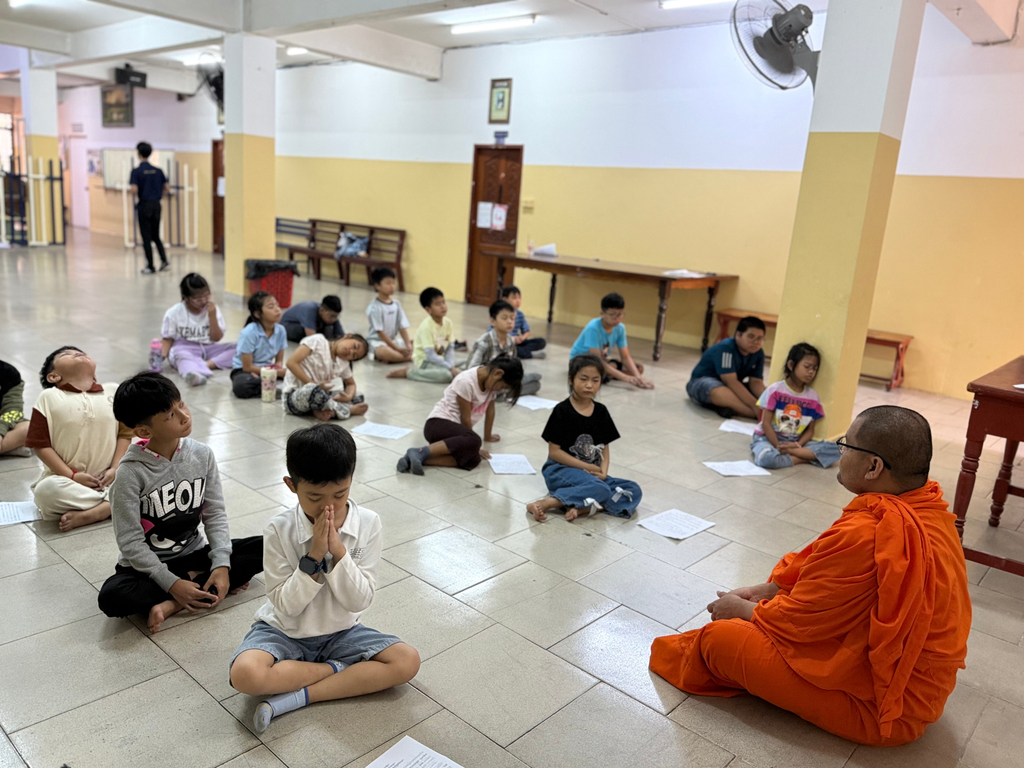
Parents, teachers, monks, community leaders, and older family members all have important roles in cultural education.
Young people can learn through:
- visiting pagodas
- participating in appropriate ceremonies
- listening to elders
- learning Buddhist teachings
- studying Cambodian history and culture
- volunteering in community activities
- asking questions
- reflecting on the meaning of traditions
Preserving Meaning, Not Only Ritual
Preservation should not mean repeating a ceremony without understanding why it is practiced.
A stronger approach is to preserve both the practice and its meaning.
For example, when young people make an offering, they can learn about generosity.
When they pay respect to elders, they can learn about gratitude.
When they participate in a community activity, they can learn about responsibility.
When they listen to Dhamma teachings, they can learn how Buddhist principles may be applied to everyday challenges.
In this way, traditions remain relevant rather than becoming empty rituals.
Bringing Tradition Into Modern Life
Cambodian society continues to change. Technology, education, migration, globalization, and modern lifestyles all influence how young people experience culture.
Preserving tradition does not necessarily mean rejecting modern life.
Instead, it can mean asking:
How can valuable cultural and Buddhist principles continue to guide us in the modern world?
Values such as compassion, honesty, respect, generosity, mindfulness, and responsibility remain relevant regardless of technological or social change.
A Responsibility Shared by Everyone
Cultural preservation is not the responsibility of one person or one institution.
Families, schools, pagodas, communities, and young people can all contribute.
When a child learns the meaning of a tradition and later teaches it to another person, that tradition continues.
When a family continues to visit the pagoda together, community memory continues.
When young people understand not only what their ancestors practiced but also why, cultural heritage becomes something they can carry forward with understanding and pride.
Cambodian Buddhist festivals are more than dates on a calendar. They are opportunities to remember, learn, practice, share, and connect.
They bring together religion and culture, individuals and communities, older generations and younger generations.
Most importantly, the values expressed through these traditions can extend beyond the pagoda and into everyday life.
Learn the tradition.
Understand its meaning.
Practice its values.
Pass them on.
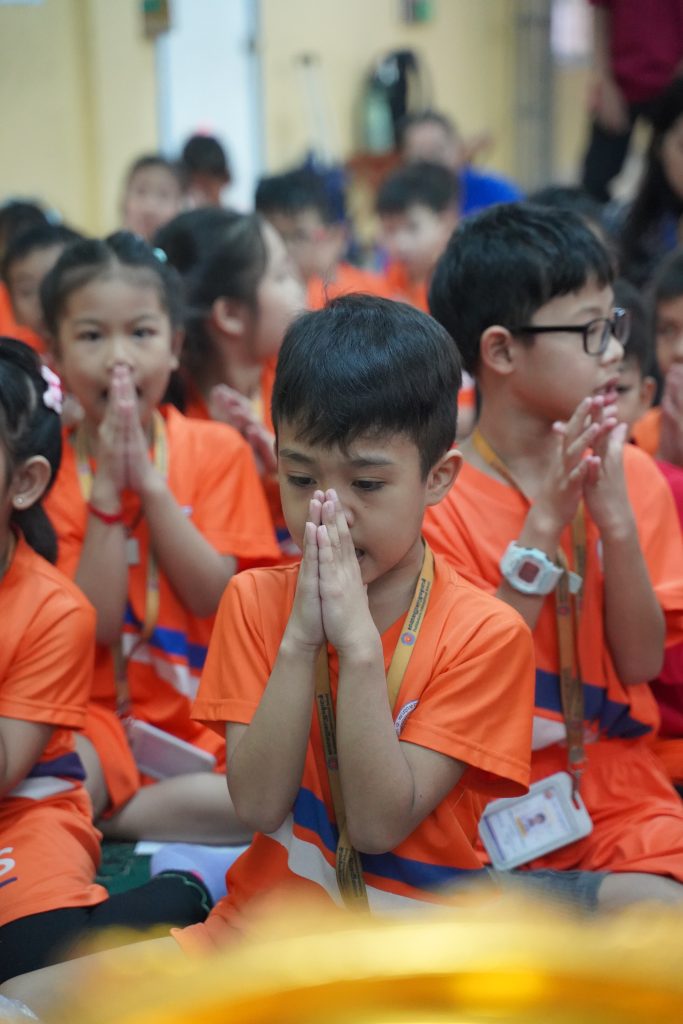
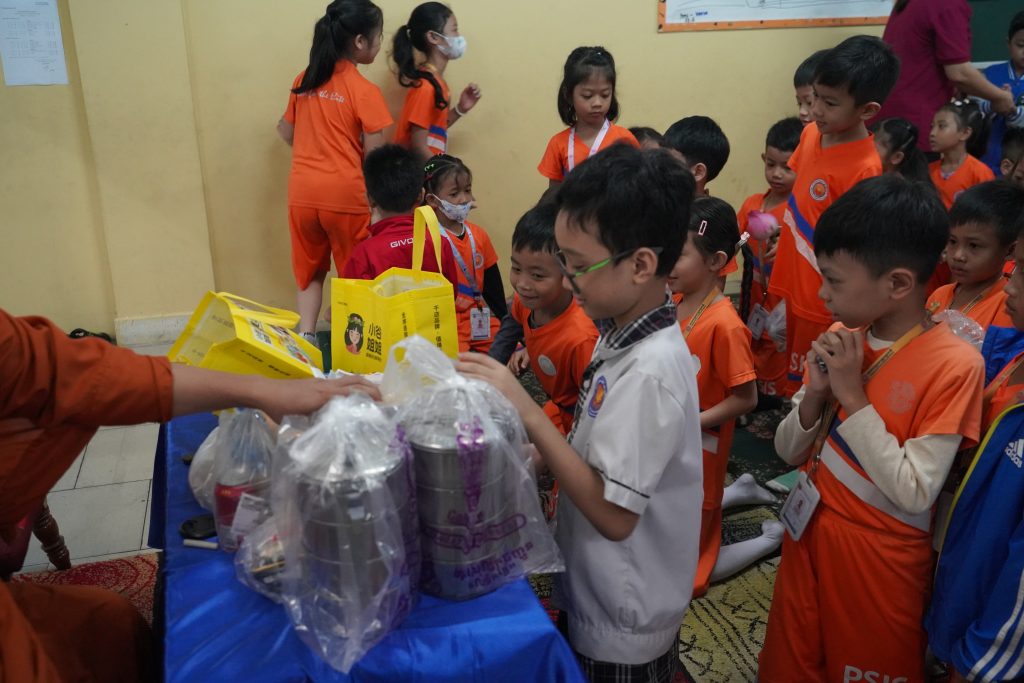
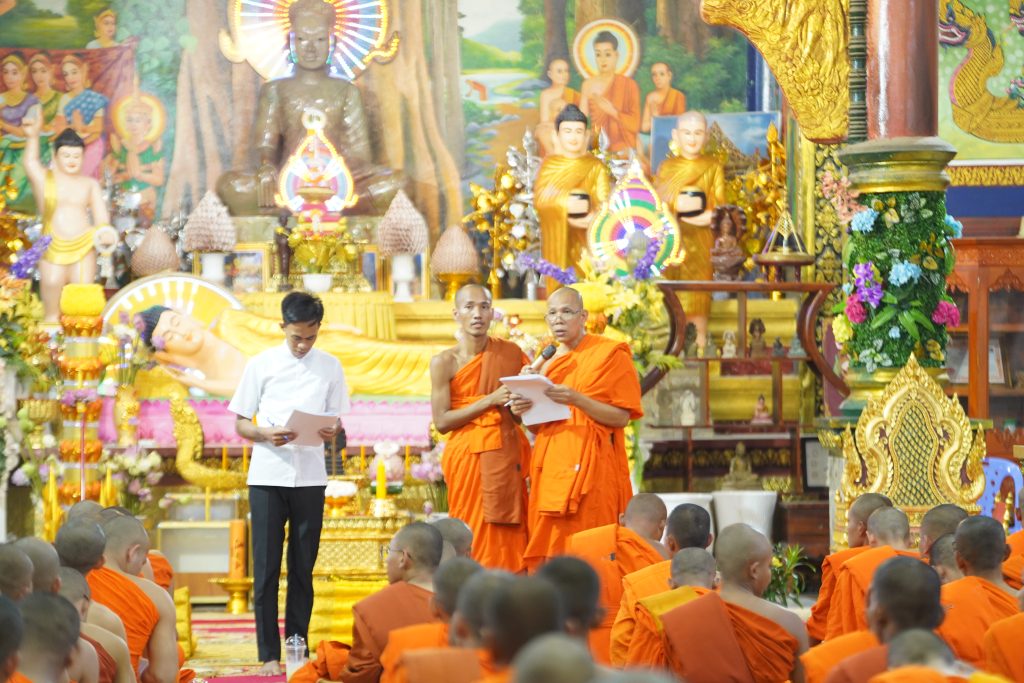
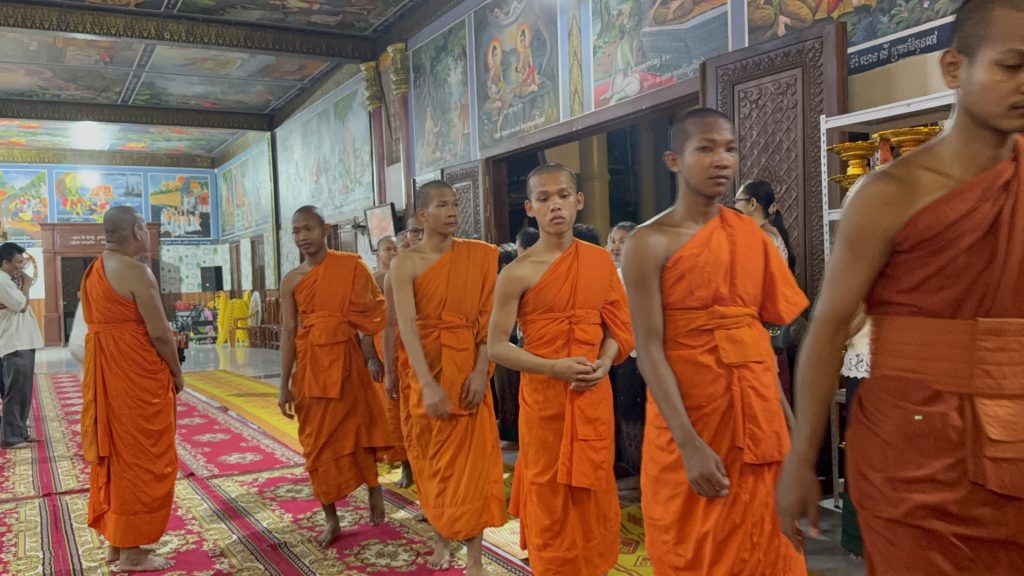
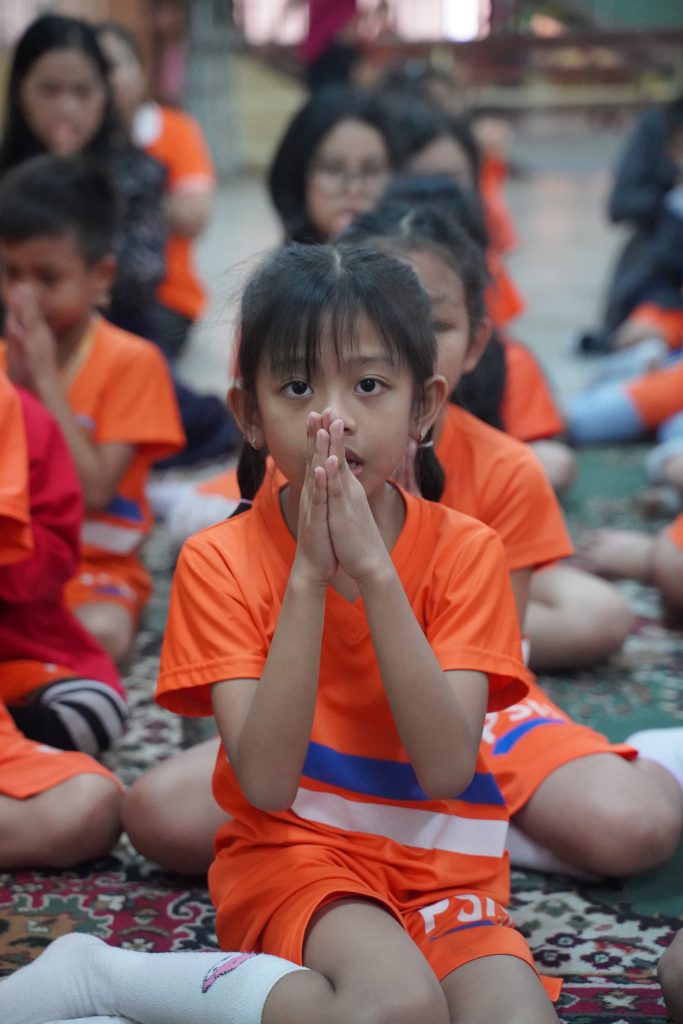
Together, these celebrations show that Cambodian festivals are not simply occasions for ceremonies, food, entertainment, or gathering.
They can also become living classrooms.
A child can learn gratitude from Pchum Ben.
A student can learn wisdom from the Buddha’s teachings.
A young person can learn generosity through Kathina.
A family can teach respect and renewal during Khmer New Year.
A team of young people can learn cooperation from the Water Festival.
This is one of the beautiful connections between Buddhism, Cambodian culture, education, and everyday life.
Festivals give us an opportunity not only to celebrate our culture, but also to ask:
What can this tradition teach us about becoming better people?


