


Understanding Cambodia’s sacred tradition of remembering ancestors, honoring family, practicing generosity, and preserving Khmer cultural identity.
Pchum Ben is one of the most meaningful annual traditions in Cambodia. During this special period, Cambodian families visit pagodas, prepare food offerings, remember relatives who have passed away, and reunite with family members. For many people, it is a time of faith, remembrance, gratitude, and connection.
As a Cambodian Buddhist monk and educator, I see Pchum Ben as an important opportunity to understand Khmer culture—not only through ceremonies and customs, but also through the values that these traditions carry from one generation to the next.
1. Pchum Ben: A Living Khmer Tradition
Pchum Ben is observed during a 15-day period in the Khmer lunar calendar. The final day is especially significant, and many families make an effort to visit their home pagoda or return to their hometown. Practices differ among families and communities, but the season commonly brings together religious observance, family gatherings, remembrance, and acts of generosity.
Traditions are not simply things from the past. They remain alive when people understand their meaning, practice them with care, and share them with younger generations. Pchum Ben continues to connect Cambodian people with their families, communities, and cultural heritage.
2. Remembering Parents, Grandparents, and Ancestors
One of the most important cultural meanings of Pchum Ben is remembering those who came before us. Our lives are connected to the people who raised us, taught us, cared for us, and helped shape our families and communities.
During Pchum Ben, people may remember parents, grandparents, relatives, and friends who have passed away. This remembrance can encourage gratitude for their sacrifices and the lessons they shared. It can also remind us to care for family members who are still alive, listen to their stories, and show appreciation while we still have the opportunity.
Every family has its own memories and experiences. Remembering loved ones does not mean every relationship was perfect. It means making space for memory, respect, reflection, and compassion.
3. Visiting the Pagoda and Making Offerings
During Pchum Ben, many Cambodian families visit Buddhist pagodas and bring food and other appropriate offerings. They may offer rice, prepared dishes, fruit, or other necessities to support the monastic community. Families also take part in ceremonies, listen to Dhamma teachings, and spend time with relatives and neighbors.
These activities are religious practices, but they are also part of Cambodia’s shared cultural life. Preparing food together, helping elders, arranging offerings, and traveling to the family pagoda are ways that knowledge and customs are passed between generations.
In Buddhist practice, giving is known as dāna. It is an opportunity to cultivate generosity and a giving heart. The value of an offering is not measured only by its cost; intention, sincerity, and care matter too.
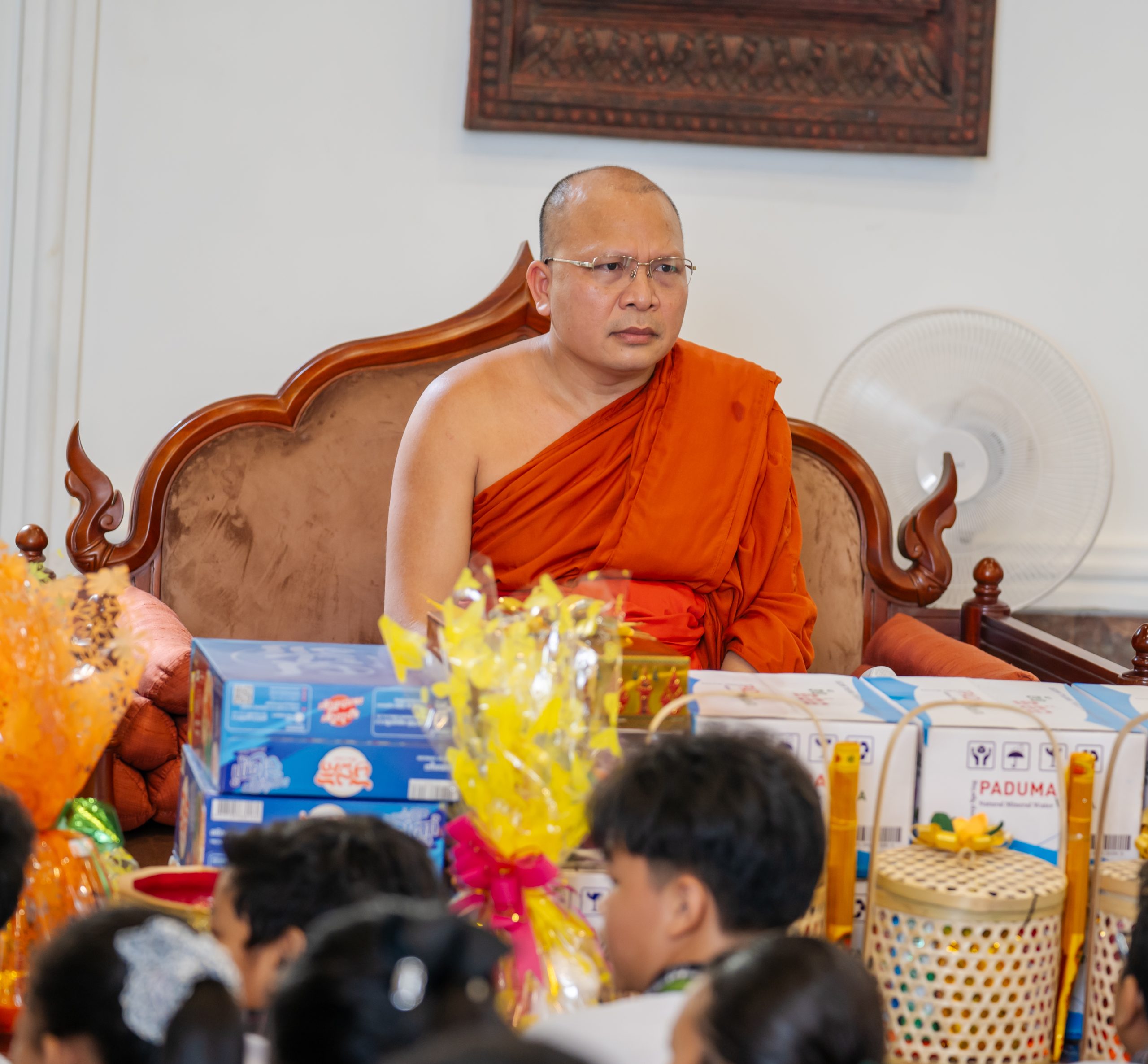
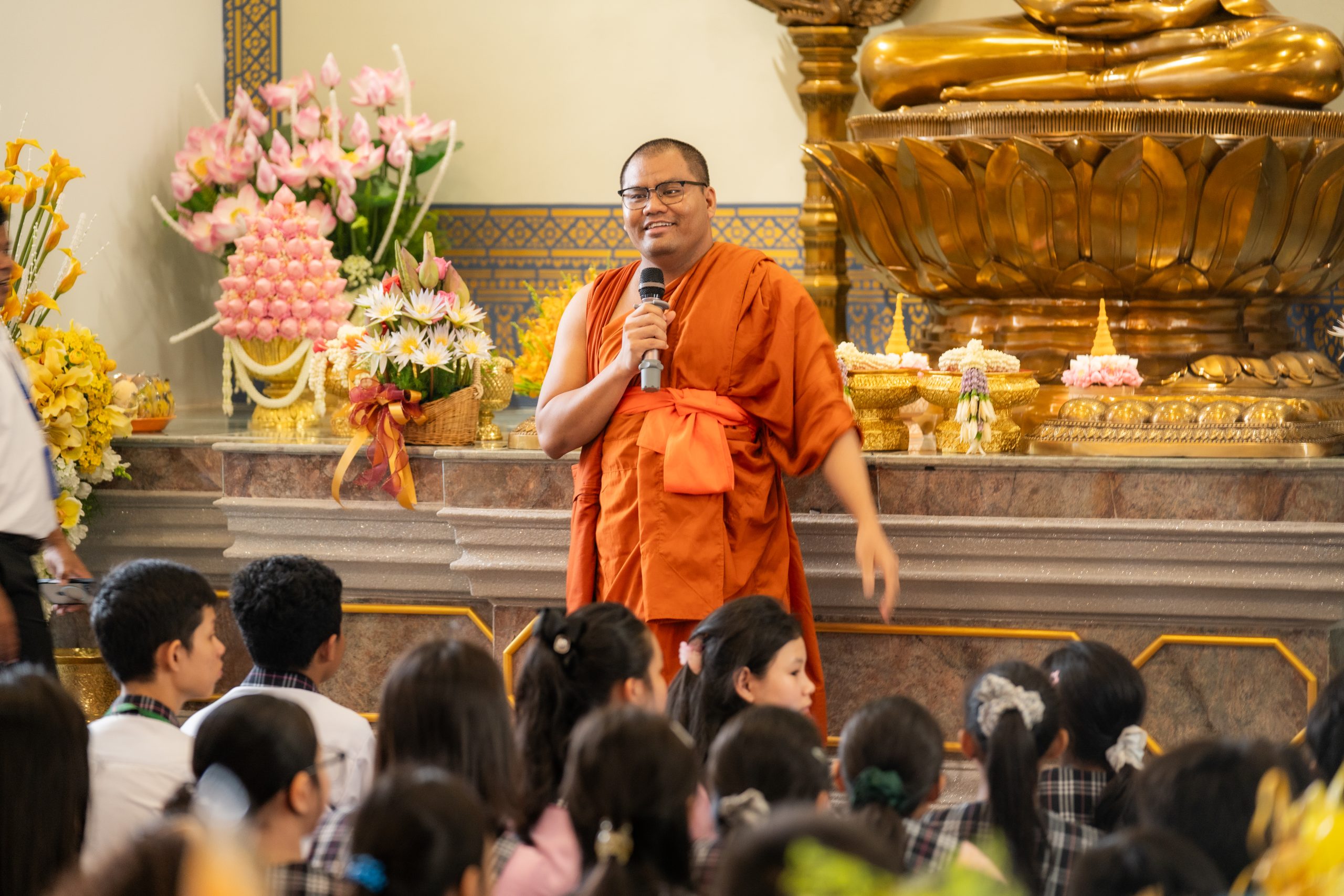
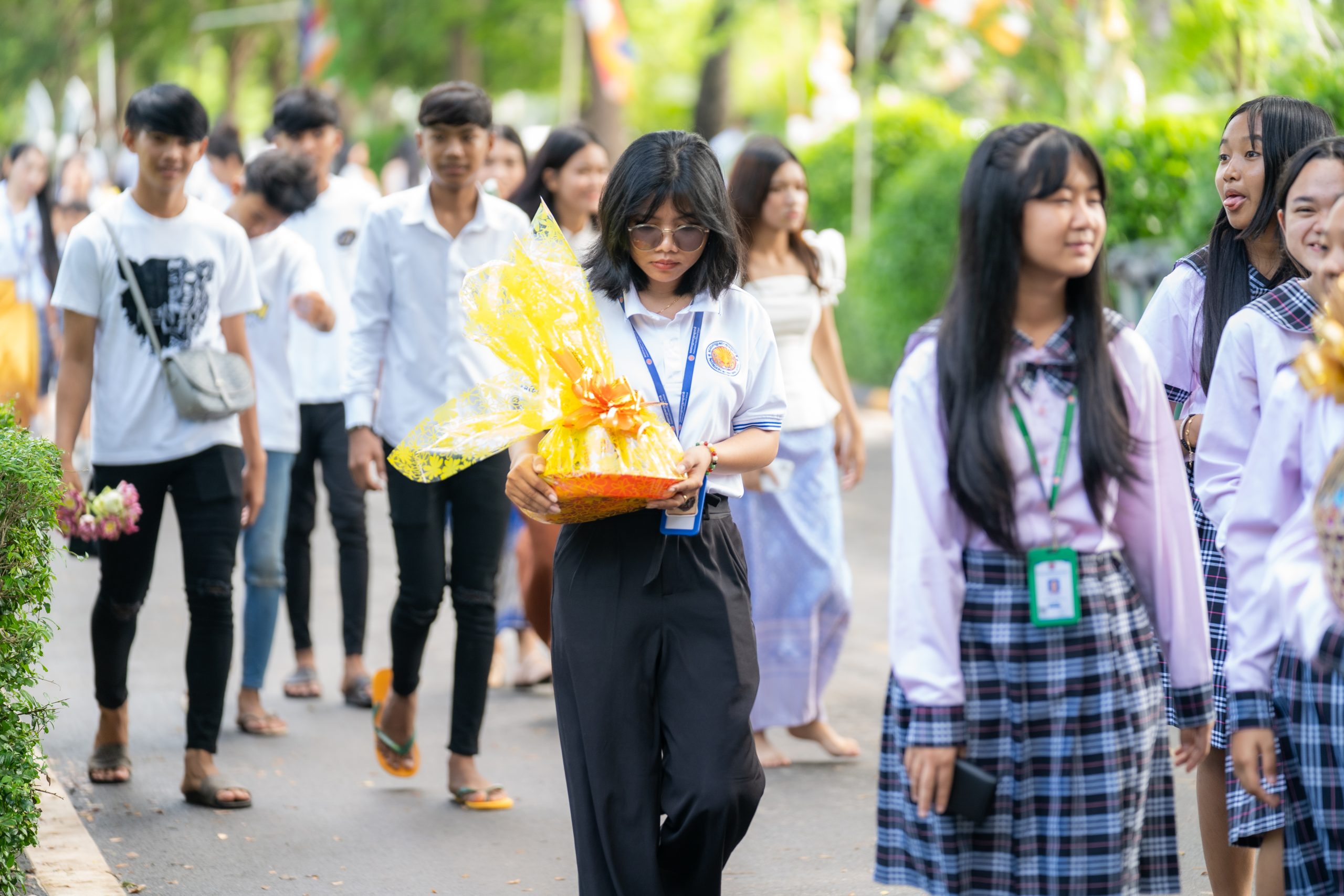
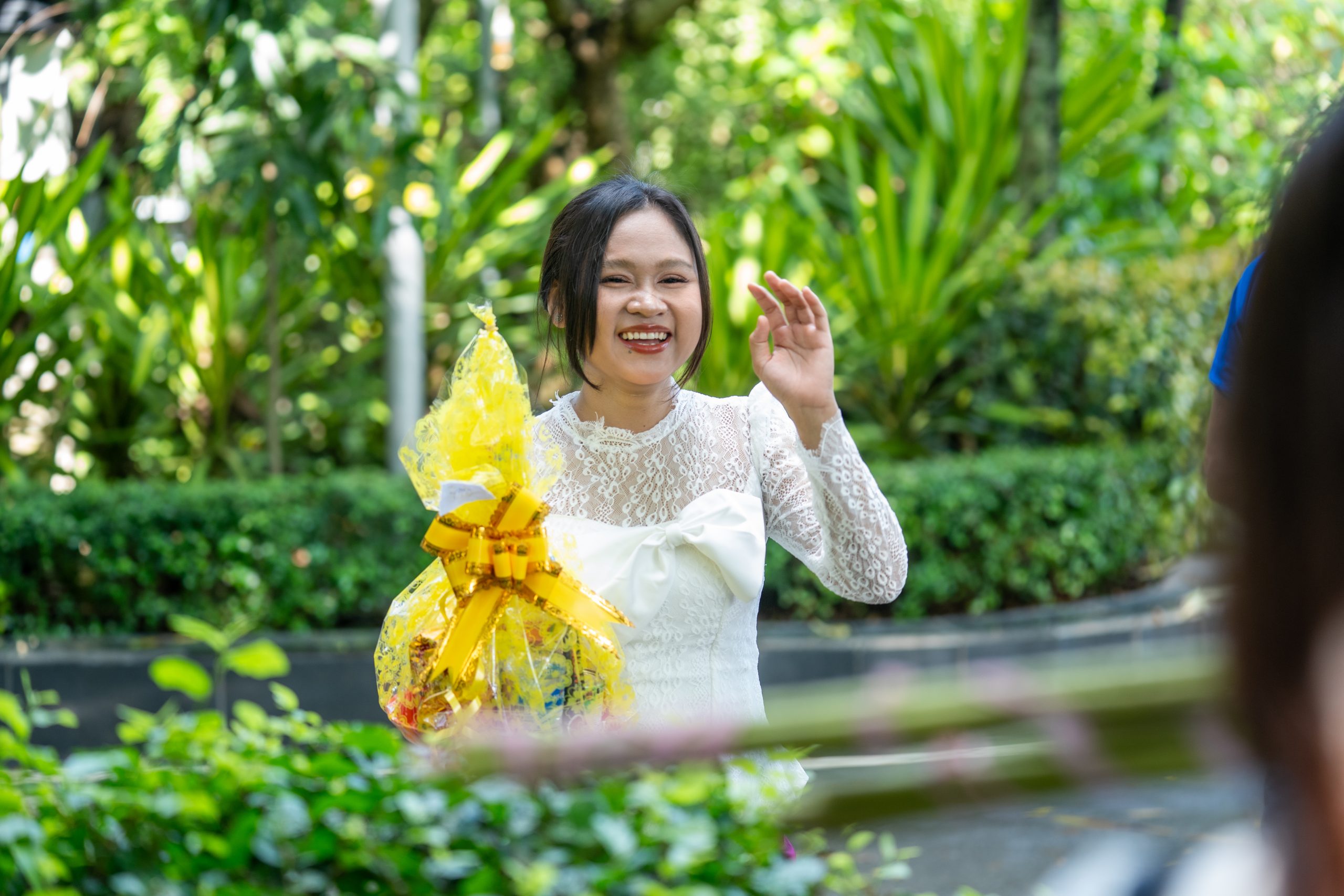
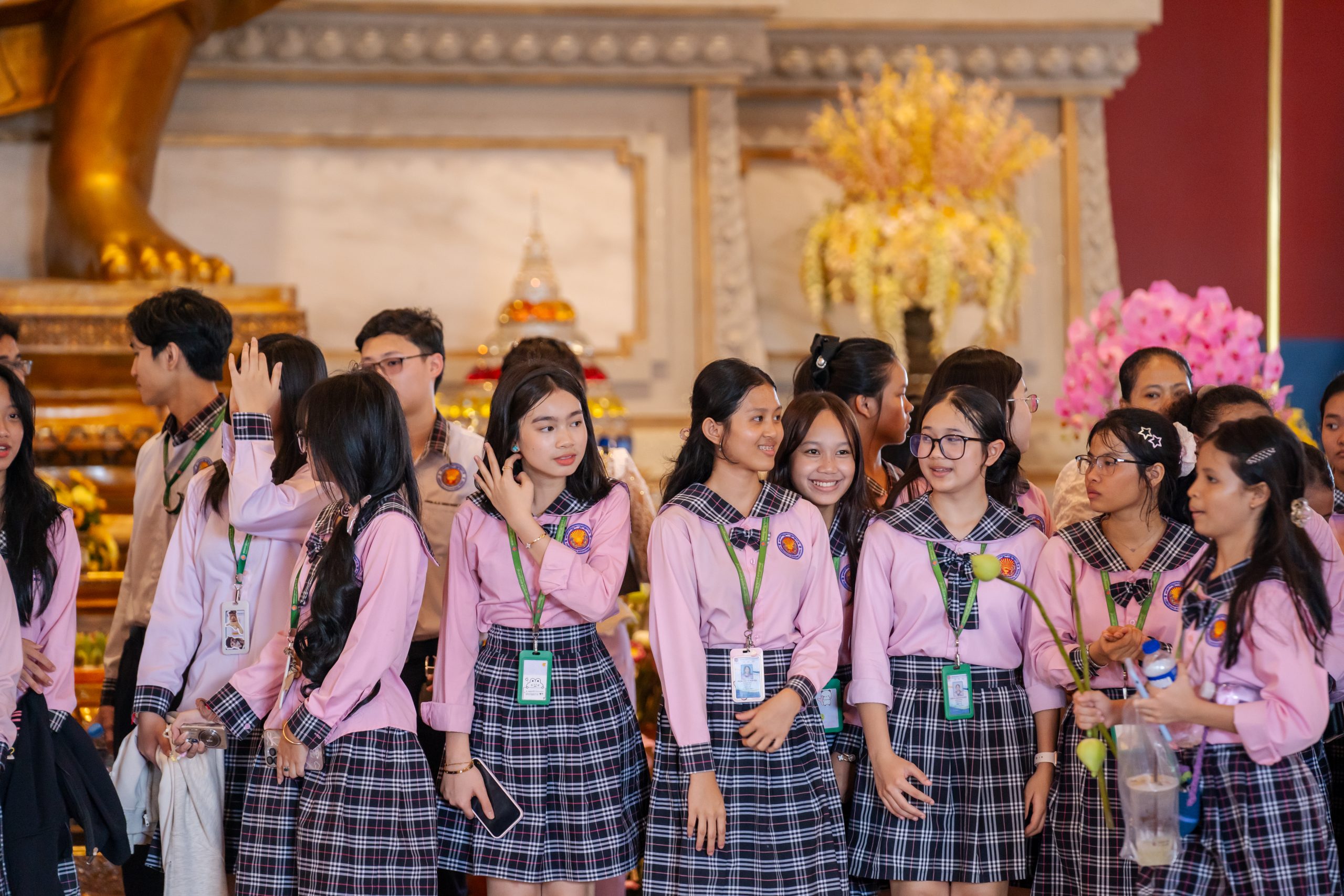
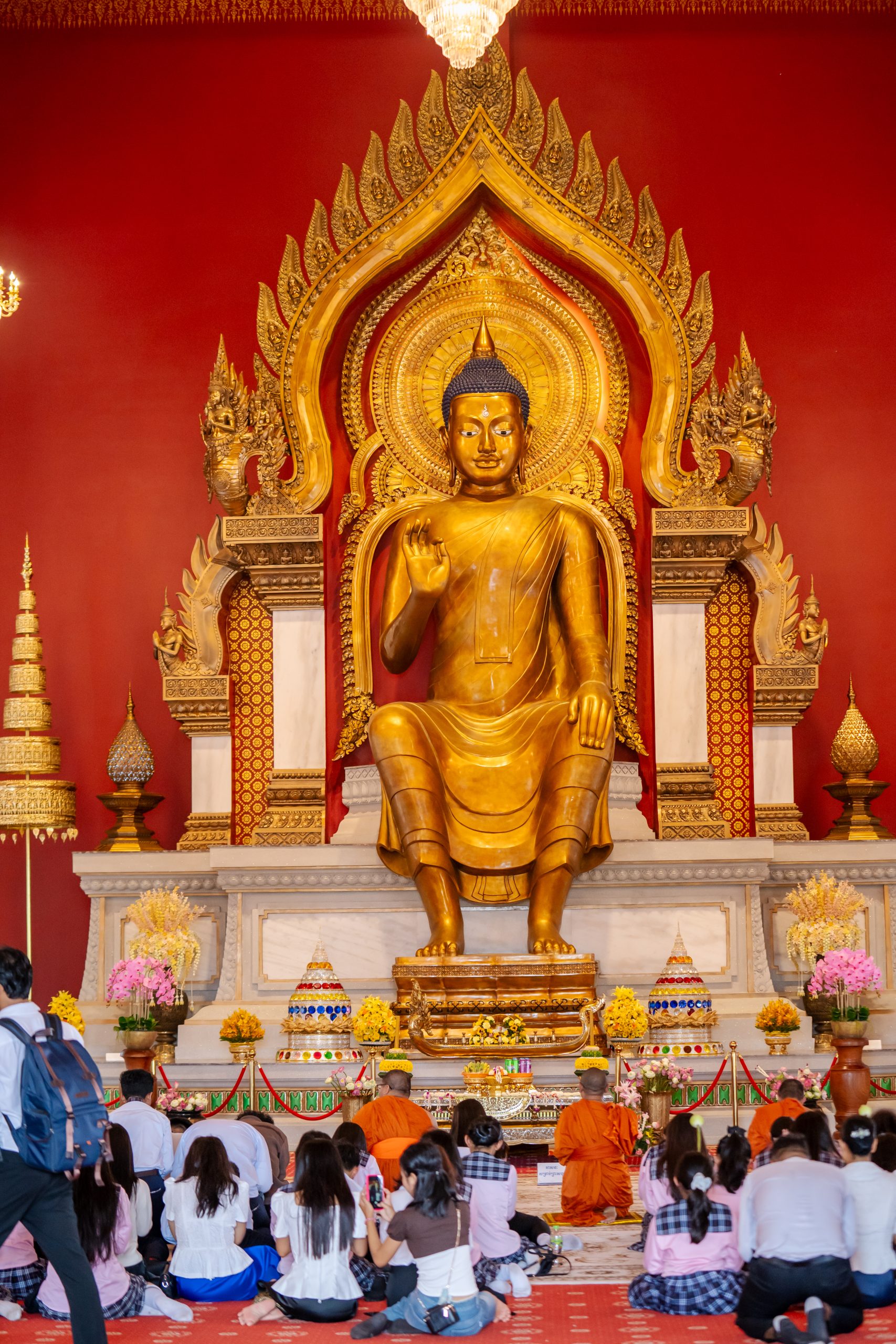
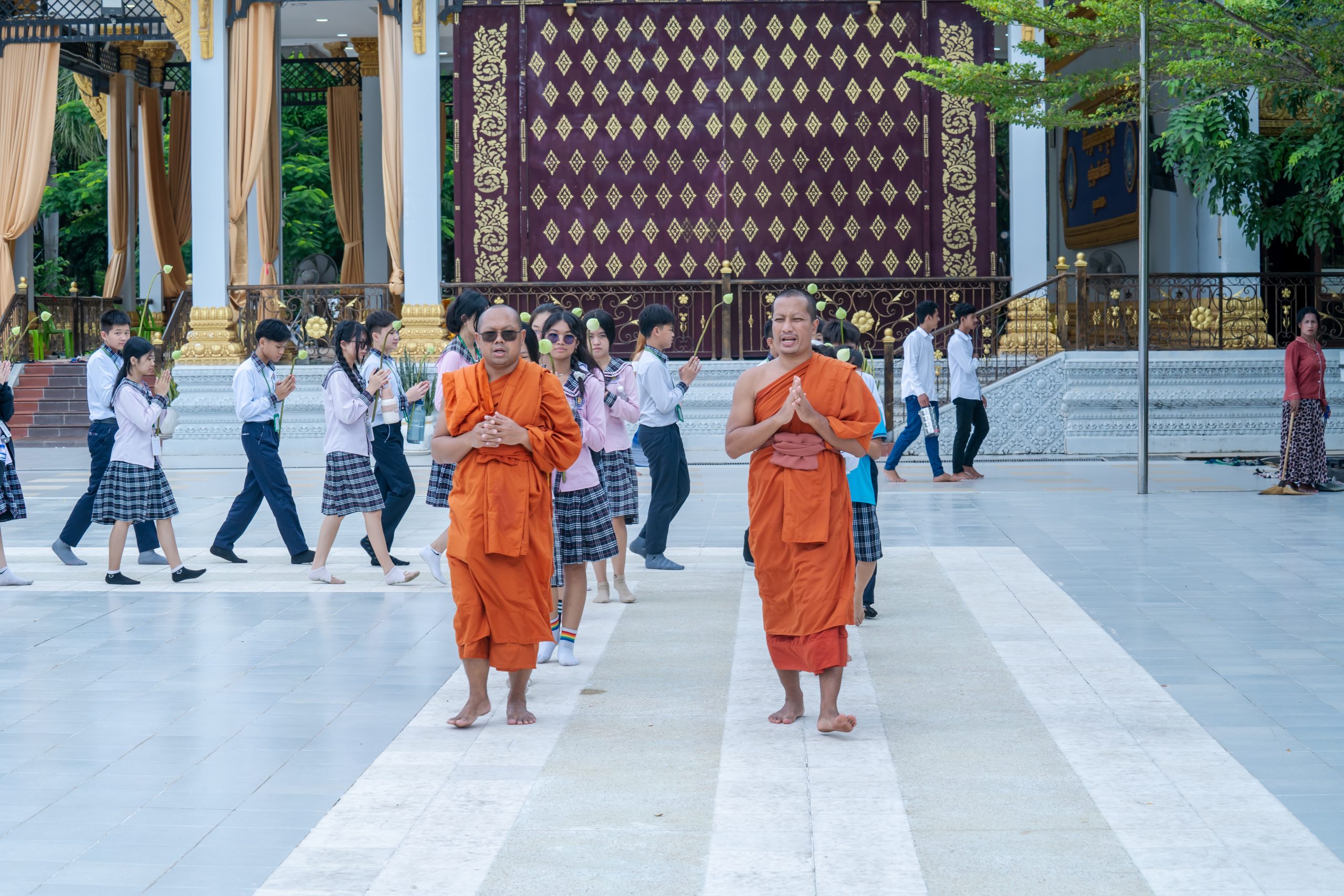
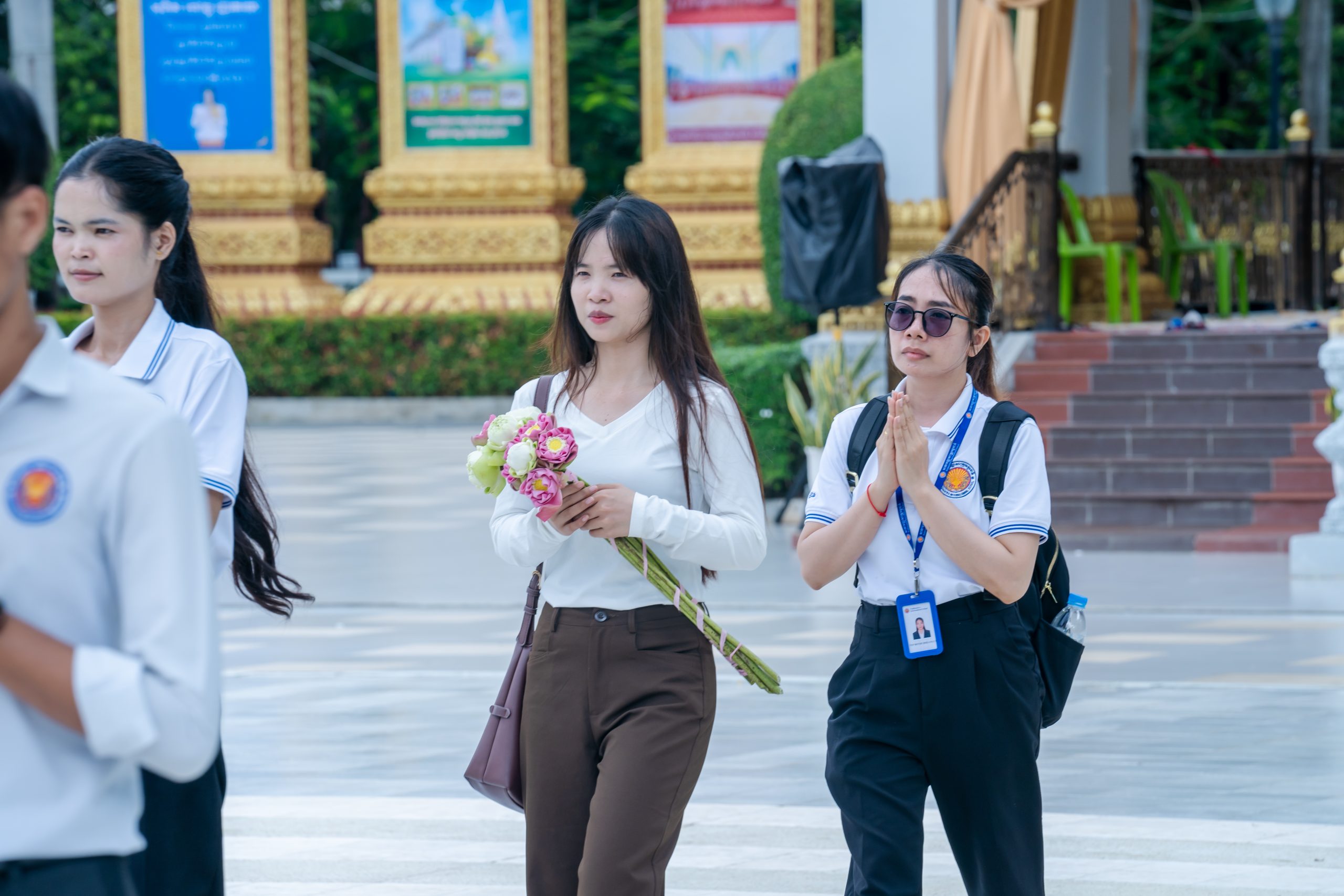
Photo Gallery: Pchum Ben in Practice
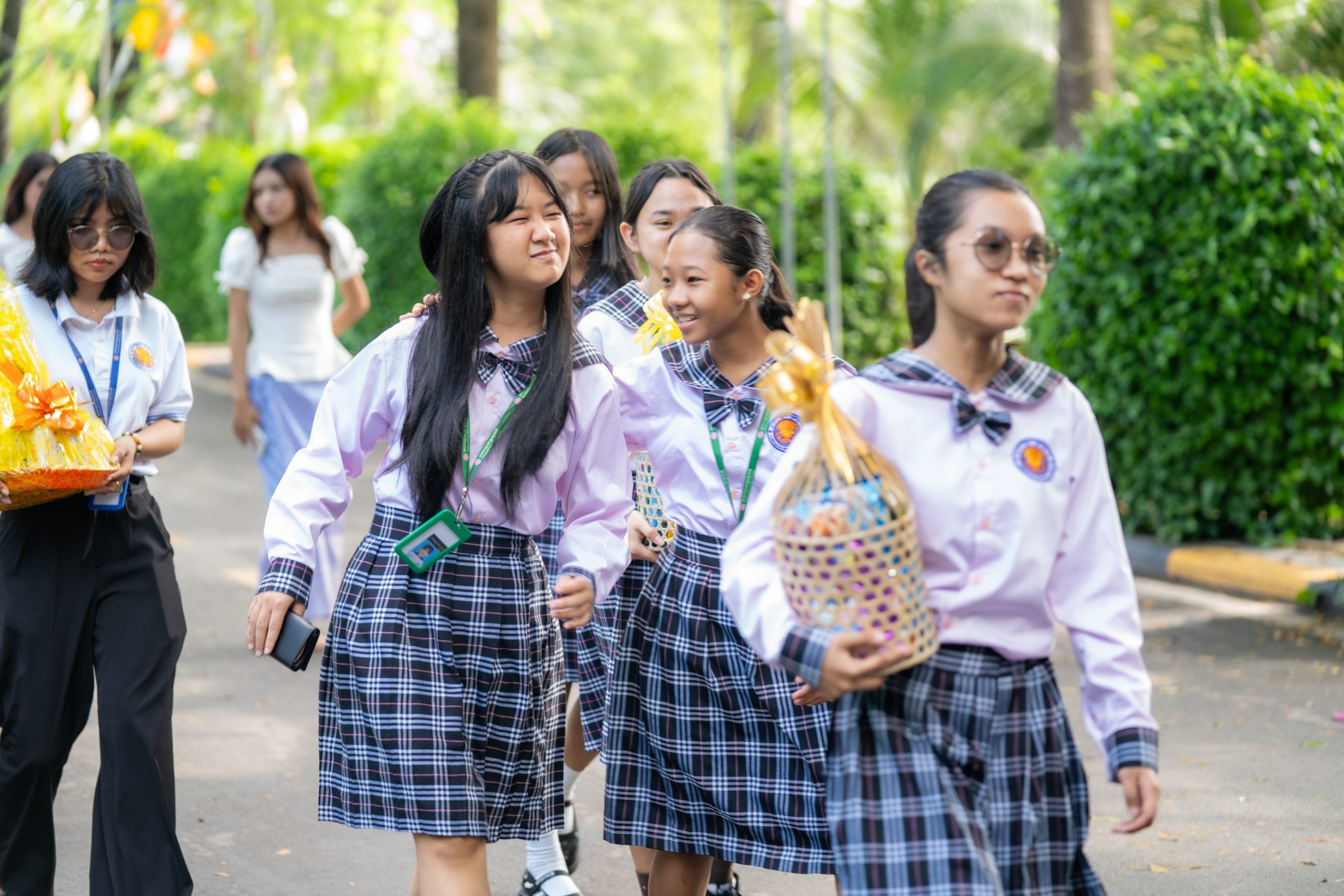
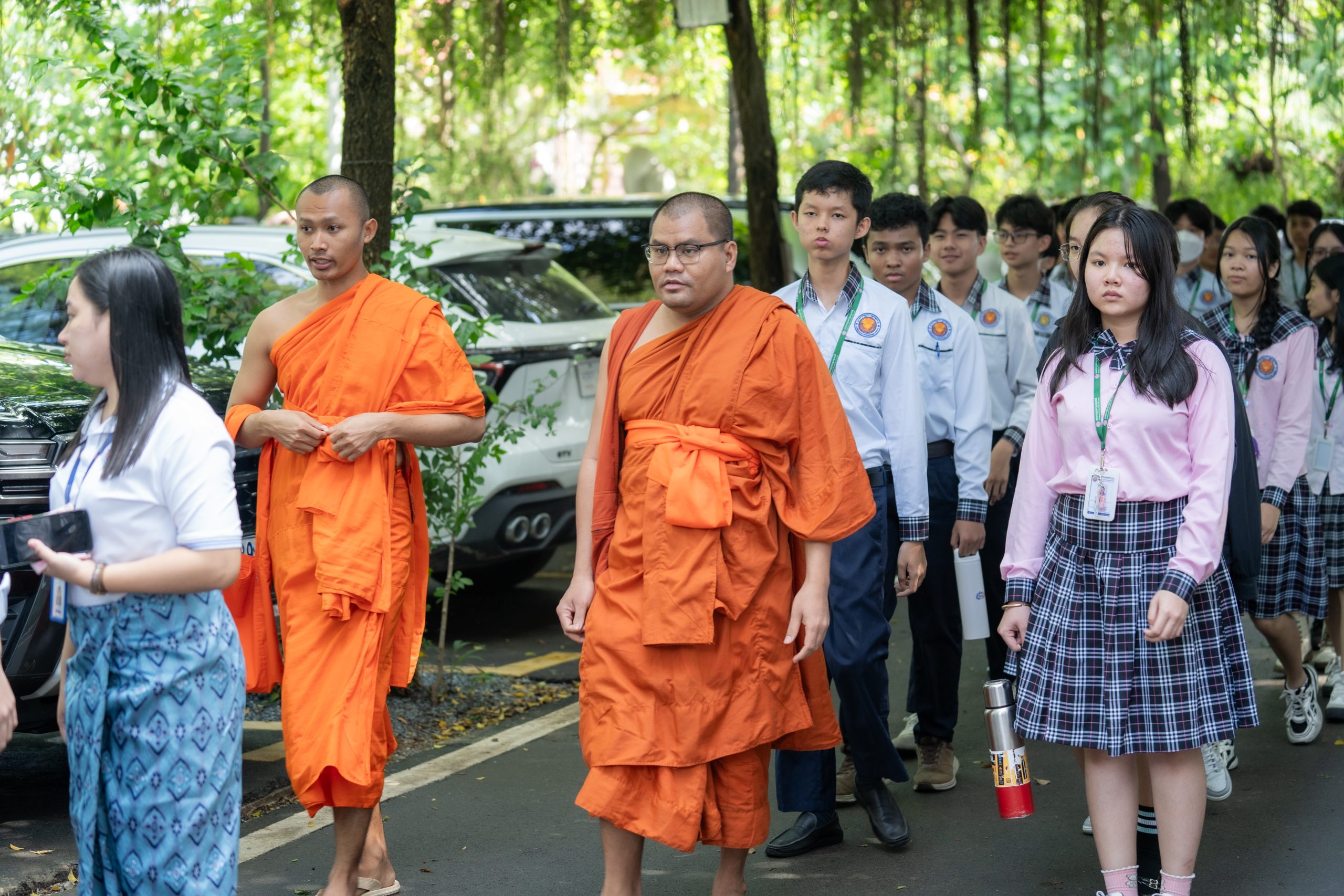
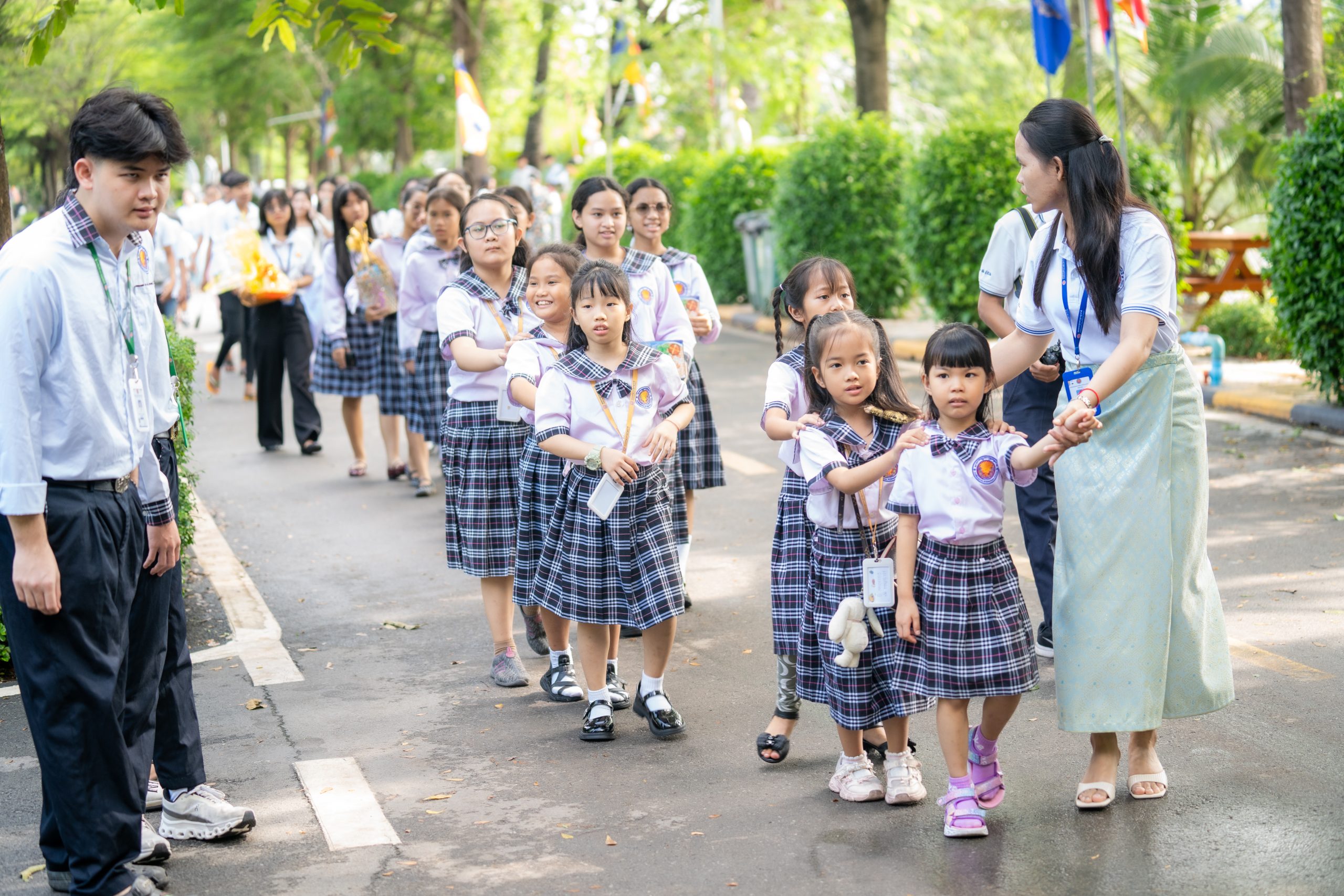
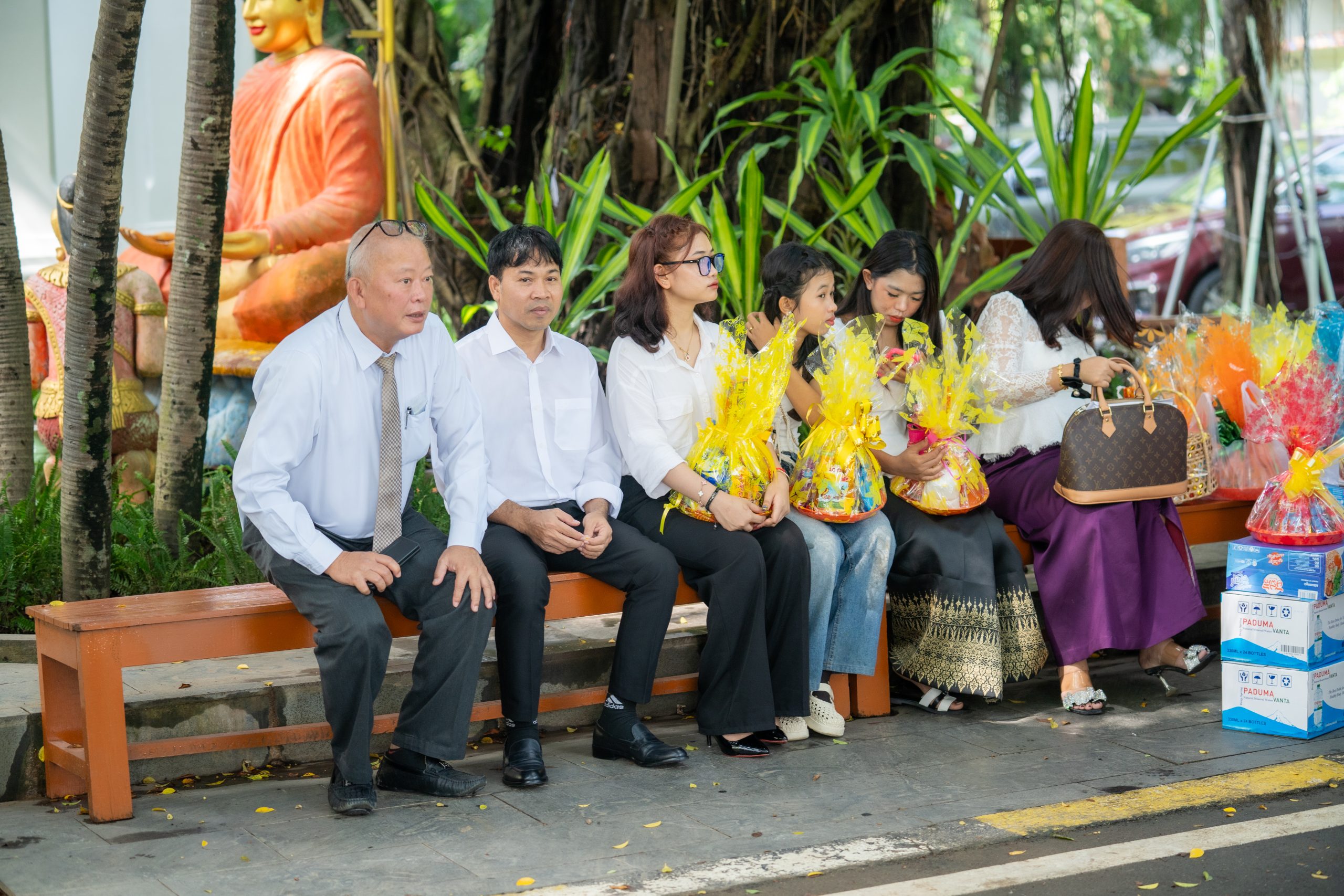
These photographs capture moments of pagoda visits, offerings, Buddhist learning, and community participation. Together, they offer a glimpse of how religious practice and Khmer cultural traditions are shared across generations. Activities and customs can vary from one family and community to another.
4. Food, Family, and Community
Food is an important part of many Khmer celebrations, and Pchum Ben is no exception. Family members may prepare dishes at home, coordinate what to bring to the pagoda, and share meals or refreshments with relatives and community members.
Behind these activities are values that are easy to overlook: cooperation, hospitality, helping one another, and spending time together. Some relatives travel long distances to return home. Others may help with cooking, transportation, cleaning, or caring for older family members.
These ordinary acts are part of what makes a tradition meaningful. Culture is not preserved only by ceremonies; it is also preserved through the care people show one another.
5. Respect for Elders and Khmer Values
Respect for parents, grandparents, teachers, monks, and elders is an important value in many Cambodian families. During Pchum Ben, younger people may accompany older relatives to the pagoda, listen to family stories, and learn how to participate in traditional practices.
Khmer customs such as the sampeah—bringing the palms together in a respectful greeting—can express respect and gratitude. The way it is performed can vary according to context, relationship, and local practice. More important than the gesture alone is the attitude of consideration behind it.
Respect should also be expressed through everyday actions: speaking politely, listening carefully, offering help, and treating people with dignity.
6. The Role of Pagodas and Monks
Buddhist pagodas have long been important places of worship and community gathering in Cambodia. Their roles have varied across historical periods and communities, but they have often been connected with religious ceremonies, moral education, community relationships, and the preservation of cultural practices.
During Pchum Ben, monks may chant, lead ceremonies, give Dhamma teachings, and receive offerings from laypeople. Families and community members gather at the pagoda to practice, remember loved ones, and maintain relationships with one another.
As a monk, I believe that explaining the meaning of traditions is important. When people understand why they participate, cultural practice can become a source of reflection and learning—not simply an activity repeated because it has always been done.
7. Pchum Ben and Buddhist Beliefs
Pchum Ben is closely associated with Cambodian Theravāda Buddhist practice. Many people make merit and dedicate or share the merit with deceased relatives, wishing them well according to Buddhist beliefs. The ways families explain and practice these traditions may differ.
Alongside these beliefs, Pchum Ben encourages values that can be understood broadly: generosity, gratitude, compassion, remembrance, and awareness of impermanence. Buddhism teaches that life changes and that all conditioned things are subject to change. Remembering this can help us appreciate our relationships and use our time more wisely.
It is helpful to approach religious traditions with respect and humility. People may hold different understandings of what happens after death, and we can learn about those differences without dismissing the meaning that a tradition holds for a community.
8. Passing Khmer Culture to the Next Generation
Young people may experience Pchum Ben differently from their parents and grandparents. Some grow up in rural communities, while others live in cities or spend much of their time studying and working. Modern schedules and changing lifestyles can affect how families observe the festival.
Preserving Khmer culture does not mean that every detail must remain unchanged. It means understanding what a tradition represents and deciding how to carry its valuable lessons forward.
Parents and grandparents can tell children the stories behind family customs. Teachers can explain the cultural and historical context. Monks and community elders can help younger people understand the religious meaning. Young people can ask questions, participate respectfully, and share what they learn.
When children understand the reasons behind a tradition, they are better able to appreciate it and explain it to others.
9. Pchum Ben in Modern Cambodia
Today, Cambodians live and work in many different places, both within the country and overseas. Some people return home for Pchum Ben, while others may be unable to travel. Families may adapt how they participate according to their circumstances.
Even when someone cannot attend a ceremony in person, they can still remember loved ones, contact family members, help relatives, practice generosity, or perform other meaningful acts consistent with their beliefs. The way people observe Pchum Ben may change, but the values of remembrance, family connection, and care can continue.
We can preserve our heritage while also making room for different family circumstances and ways of participating.
10. What International Visitors Can Learn
For international students and visitors, Pchum Ben offers a meaningful way to learn about Cambodia beyond sightseeing. It can help visitors understand the importance of family relationships, Buddhist practice, generosity, respect for elders, and the role of pagodas in community life.
Visitors should approach ceremonies with respect, follow local guidance, dress appropriately for religious spaces, and ask permission before taking photographs of people or sacred activities. It is also important to remember that no single visit can represent every Cambodian family or every local tradition.
Learning about Pchum Ben is an invitation to listen, ask thoughtful questions, and understand how culture is experienced by the people who practice it.
11. What Pchum Ben Reminds Us
For me, Pchum Ben reminds us that we are connected to generations before us and to the people around us today. It encourages us to remember with gratitude, give according to our ability, care for our families, and preserve meaningful cultural knowledge.
We cannot bring the past back, and we cannot prevent the natural changes of life. But we can choose how we treat the people who are still with us. We can listen to our parents and grandparents, help those who need support, speak with kindness, and pass on the best lessons we have received.
These values are not limited to one festival. They can guide our lives throughout the year.
Remember, Give, and Live with Respect
Pchum Ben is more than a date on the Cambodian calendar. It is a living Khmer tradition that connects generations, strengthens family bonds, honors ancestors, and helps preserve Cambodia’s cultural identity.
May this Pchum Ben season encourage us to remember those who came before us, appreciate the people who are with us, and pass meaningful traditions to the next generation.
Remember with gratitude. Give with kindness. Preserve culture with understanding. Live with respect.
Written by Pov Socheat — Cambodian Buddhist monk and educator.


