


Education is not only about learning from books.
What Children Can Learn from Buddhism
It is also about learning how to live.
As a Buddhist monk and educator, I believe that children need opportunities to develop not only knowledge, but also kindness, patience, responsibility, respect, and awareness.
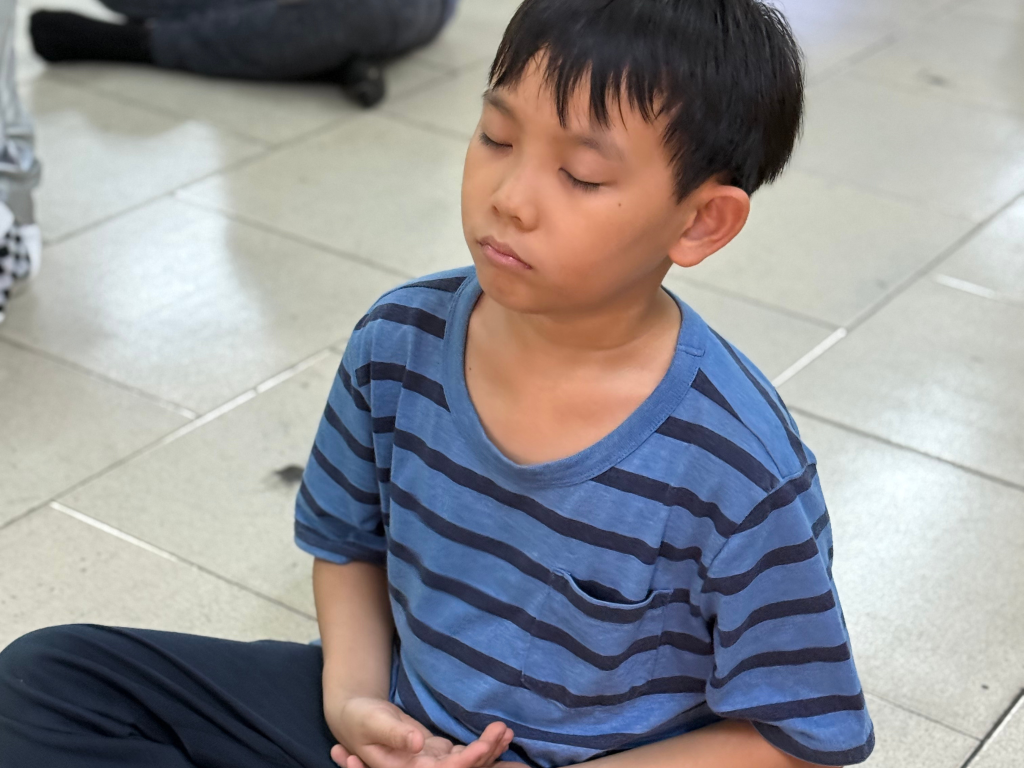
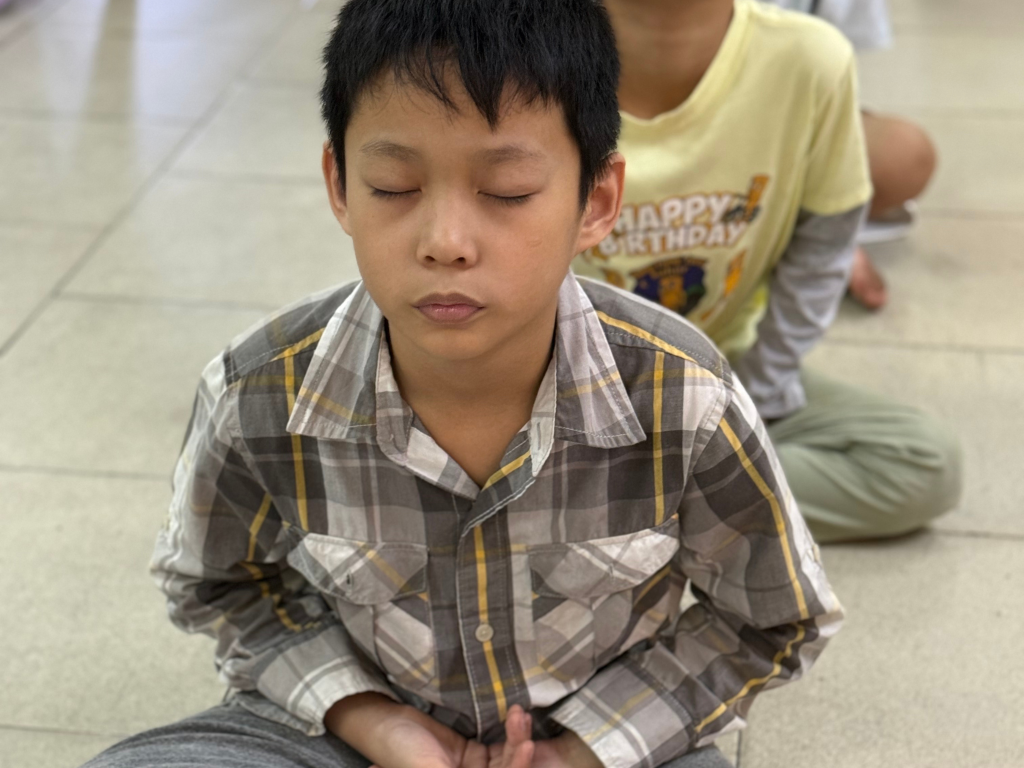
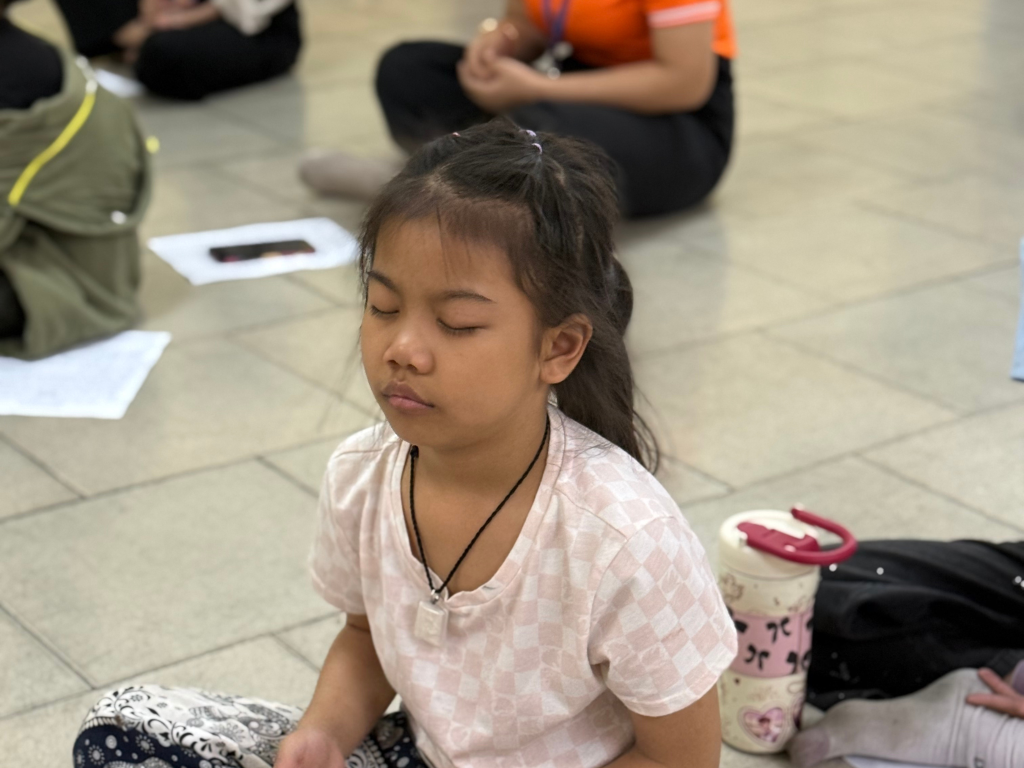
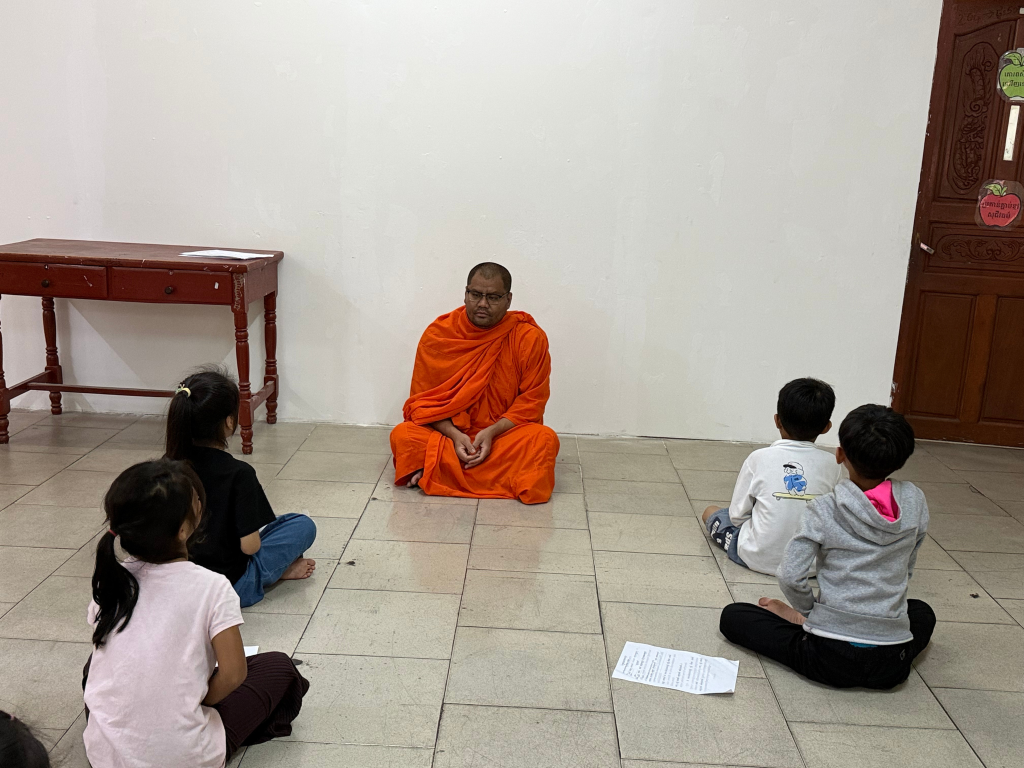
Recently, I had the opportunity to spend time with children, introduce them to Buddhist ideas, and guide them through a simple meditation practice.
We talked.
We listened.
We learned together.
And then we became quiet.
For me, this experience raised an important question:
What can children learn from Buddhism that they can carry with them throughout their lives?
Buddhism Is More Than What We Learn in Books
When people hear the word Buddhism, they may think about temples, monks, meditation, chanting, or Buddhist teachings.
These are important parts of Buddhist life.
But Buddhism can also be understood as a way of developing the mind and the way we live with others.
For children, Buddhist teachings can be presented in very simple ways.
We can teach them to be kind.
We can teach them to respect their parents and teachers.
We can teach them to think before they speak.
We can teach them to understand their emotions.
We can teach them that their actions have consequences.
And we can teach them to notice what is happening in their own minds.
These lessons are useful not only inside a temple.
They are useful everywhere.
1. Learning Respect
Respect is an important value in Cambodian culture and in Buddhist practice.
Children learn respect through everyday actions:
Listening when someone is speaking.
Showing gratitude to parents and teachers.
Being polite to older people.
Respecting classmates and friends.
Taking care of shared spaces.
In Cambodian culture, traditional gestures such as the Sompeas also express respect and gratitude.
But respect is more than a gesture.
The deeper meaning is in the attitude behind it.
We can teach children that respect begins with recognizing the value of other people.
2. Learning Self-Discipline
Children naturally want to explore.
They want to play.
They want to talk.
They want to move.
There is nothing wrong with that.
But children also need to learn how to guide themselves.
Self-discipline means learning that:
I do not have to follow every feeling immediately.
When I am angry, I can pause.
When I want something, I can wait.
When I make a mistake, I can take responsibility.
When I have something important to do, I can stay focused.
These are small lessons, but they become important as children grow into adults.
3. Understanding Anger
One of the most valuable things children can learn is how to recognize their emotions.
Everyone becomes angry.
Children become angry.
Adults become angry.
Even monks experience difficult emotions.
The important question is not:
“Will I ever become angry?”
The more useful question is:
“What do I do when anger appears?”
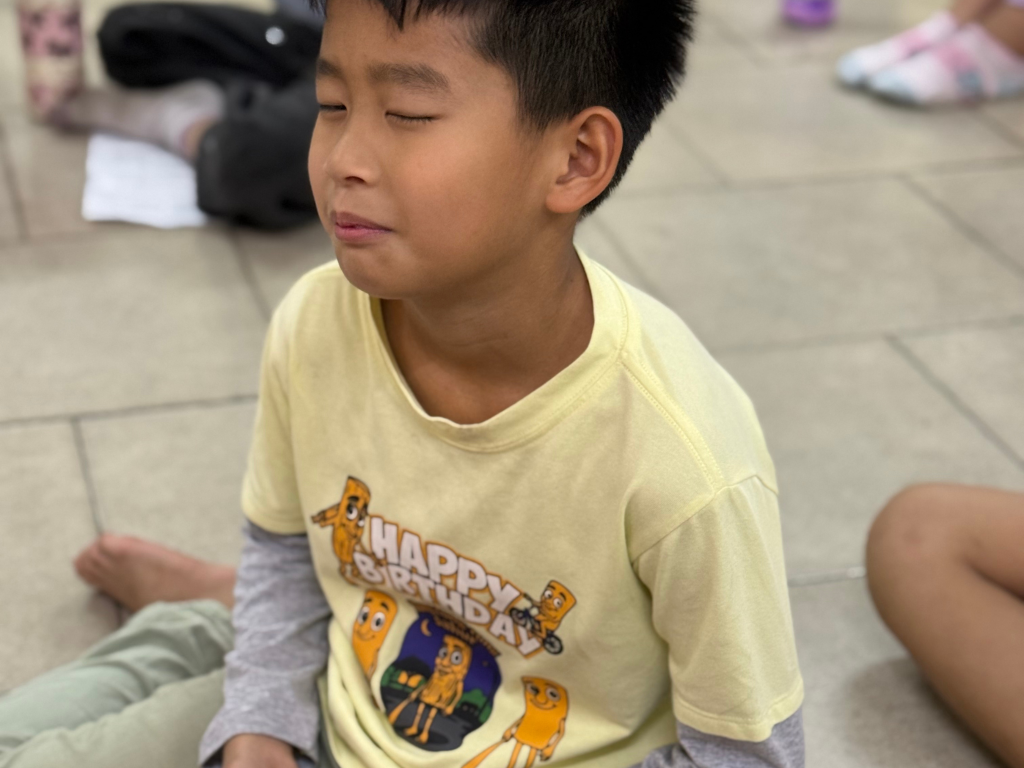
Through mindfulness, children can begin to recognize anger before immediately acting on it.
They can learn to pause.
Take a breath.
Notice the feeling.
And think before responding.
That pause can change what happens next.
4. Learning Compassion
Buddhism places great importance on compassion.
Children can learn compassion through very simple actions.
Helping a friend.
Sharing something.
Listening to someone who is sad.
Taking care of animals.
Helping parents.
Including someone who feels alone.
Saying kind words.
Compassion does not always require a big action.
Sometimes compassion is simply noticing that another person is having a difficult moment.
5. Learning the Five Precepts
The Five Precepts can also be introduced to children in simple, practical language.
They provide ethical guidance for everyday life.
We can explain them as commitments to:
- Avoid harming living beings.
- Avoid taking what has not been given.
- Practice responsible and respectful behavior.
- Speak truthfully and avoid harmful speech.
- Avoid intoxicants that lead to carelessness.
For children, these teachings do not need to be presented as complicated philosophy.
They can become everyday questions:
Am I hurting someone?
Am I taking something that doesn’t belong to me?
Am I treating others respectfully?
Am I telling the truth?
Am I making choices that help me stay aware?
These questions encourage children to think about their actions.
6. Learning Mindfulness
One of the simplest practices we can introduce is mindfulness.
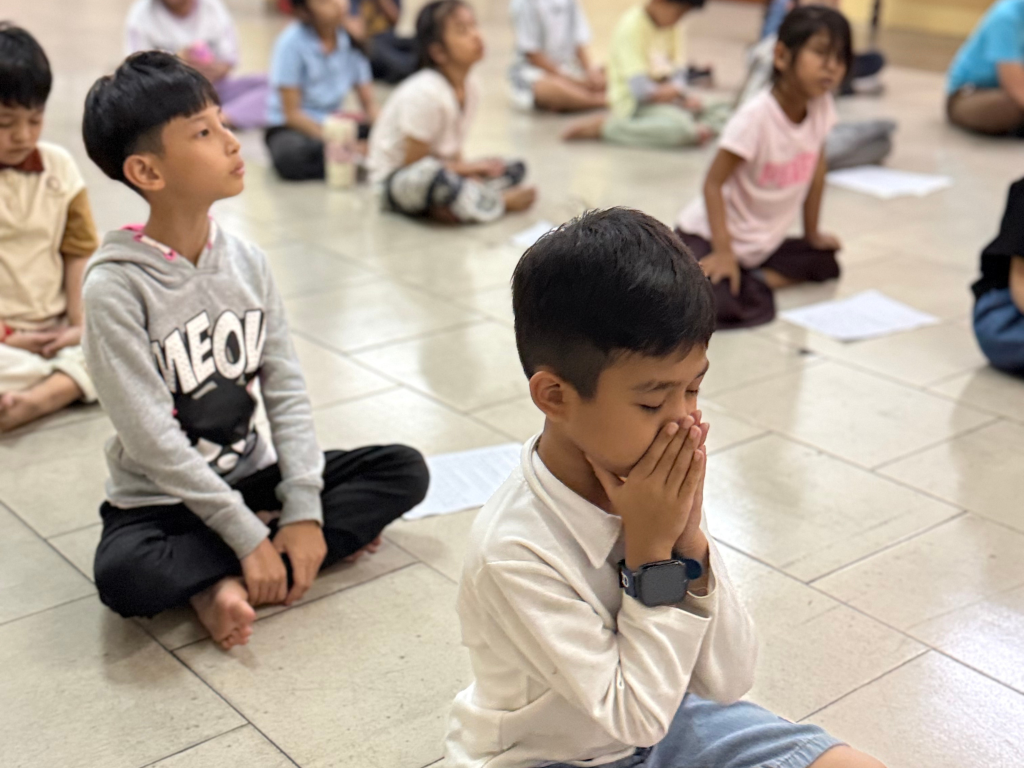
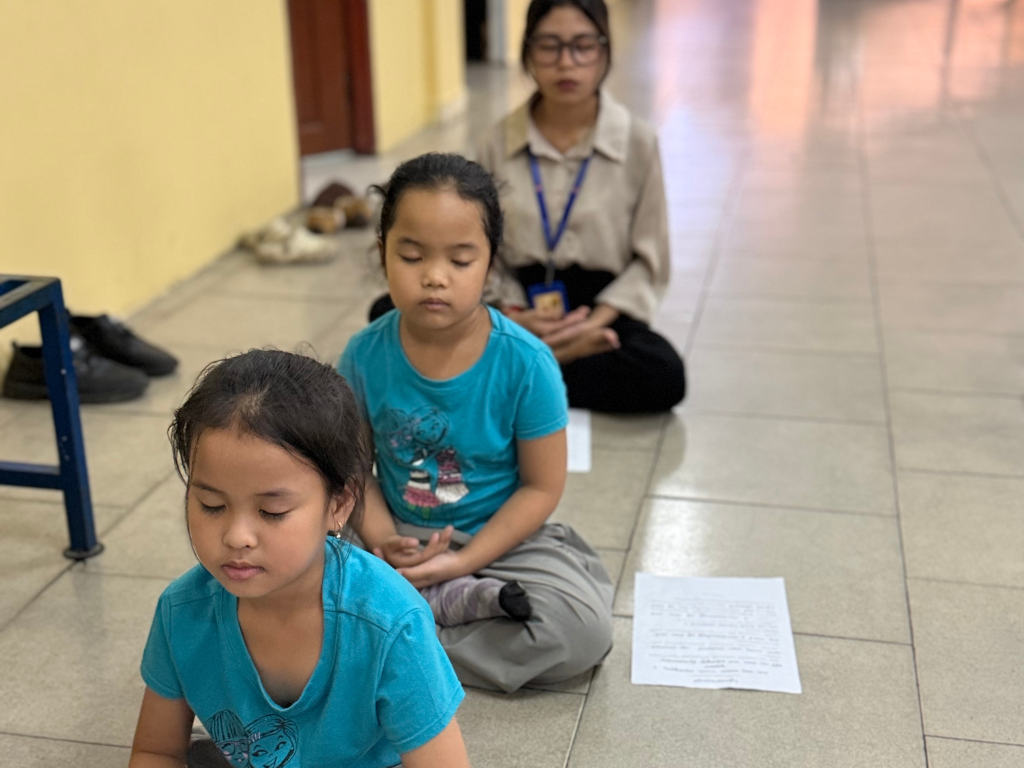
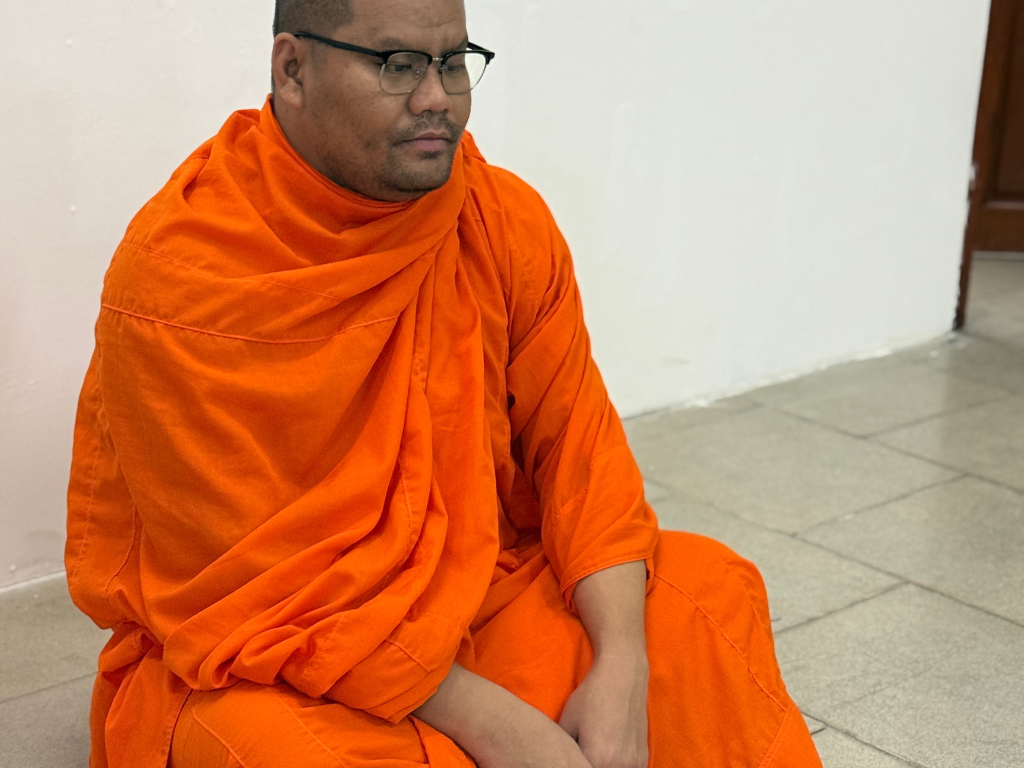
During our meditation session, the children sat quietly and paid attention to their breathing.
For some children, sitting still may not be easy.
The mind moves.
The body wants to move.
Sounds appear around us.
Thoughts come and go.
But this is exactly why practice is valuable.
When the mind wanders, we notice.
Then we return.
Again and again.
This teaches an important lesson:
It is okay for the mind to wander. We can always come back.
That lesson applies far beyond meditation.
7. Learning to Pause
In modern life, everything can feel fast.
Messages arrive immediately.
Information is everywhere.
Children have many activities and many things competing for their attention.
Learning to pause can therefore be a valuable skill.
A pause gives us space between what happens and how we respond.
Someone says something unkind.
Pause.
Someone makes us angry.
Pause.
We make a mistake.
Pause.
We feel afraid.
Pause.
In that small space, we can become more aware of our choices.
8. The Role of Monks in Education
In Cambodia, monks have traditionally played an important role in community and educational life.
Temples have been places where people come not only for religious practice, but also for learning, guidance, community activities, and moral education.
Today, I believe monks can continue contributing to education in ways that connect Buddhist wisdom with the realities of modern life.
This can include meditation, mindfulness, ethics, compassion, cultural understanding, and conversations about everyday challenges.
A monk does not need to teach only inside a traditional setting.
A monk can also listen to young people, answer their questions, encourage them, and help them reflect on how they live.
9. Education Beyond the Classroom
Schools give children important academic knowledge.
Families give children love, values, and guidance.
Communities also have a role in helping children develop.
And Buddhist education can offer another space for reflection.
The goal is not to replace school education.
It is to complement it.
A child needs knowledge.
But a child also needs wisdom.
A child needs confidence.
But also humility.
A child needs ambition.
But also compassion.
A child needs freedom.
But also responsibility.
These qualities can help children not only become successful students, but also become thoughtful human beings.
10. What I Hope Children Will Remember
When I teach children, I do not expect them to remember every word I say.
Perhaps they will forget some of the details.
That is okay.
What I hope they remember is something simpler.
Be kind.
Respect others.
Take responsibility for your actions.
Pay attention to your mind.
Think before you react.
Help when you can.
And remember that you can always pause and begin again.
These are lessons that can stay with a person for many years.
A Small Practice Today
Children do not need to begin with a long meditation.
They can start with one minute.
Sit comfortably.
Close your eyes if you feel comfortable.
Take a slow breath.
Notice the breath coming in.
Notice the breath going out.
If your mind wanders, simply notice it.
Then come back to the breath.
There is nothing to prove.
Nothing to achieve.
Just one moment of awareness.
And then another.
My Hope for the Next Generation
As a Buddhist monk and educator, I hope to continue creating opportunities for children and students to learn about Buddhism in ways that connect with real life.
I hope they can learn not only Buddhist teachings, but also how to practice kindness.
Not only meditation, but also awareness.
Not only respect for tradition, but also understanding.
Not only knowledge, but also wisdom.
Because education is not finished when we leave the classroom.
Education continues in the way we speak, the way we think, the way we treat others, and the way we live.
If children learn to understand themselves, care for others, and respond to life with greater awareness, they carry something valuable with them wherever they go.
And perhaps that is one of the greatest lessons Buddhism can offer.
Learn well.
Live kindly.
Be mindful.
Grow in wisdom.
Related Reading
- Teaching Children to Be Still: A Simple Introduction to Mindfulness and Meditation
- Learning Buddhism in Cambodia: Monastic Life, Culture & Meditation
- Cultural Events and Festivals Celebrating Buddhism in Cambodia


